How to see a Space Shuttle landing
Including an up-close-and-personal photo op
Note: a summary of how to do this is at the bottom of this post
 On November 16th, the space shuttle Atlantis and her crew launched into space on the STS-129 mission. We already had plans to drive down to Florida for a family get-together in November, but not soon enough to see the launch. I did hope, though, to see the landing around 12 days later.
Shown at right is a typical shuttle entry into Florida. They fire the deorbit engines about an hour prior to targeted landing time, while over the Indian Ocean, descend into the atmosphere, and transition from an orbital vehicle into a glider. You can see here the long left and right turns they do over Florida as they complete their approach; at this point they are still very supersonic, going Mach 5 or so.
We were in Florida already, but a good 120 miles south of Kennedy Space Center. We left Palm Beach in the morning, heading north towards KSC, but I knew we wouldn’t get there in time for the landing if NASA managers decided to take the first landing opportunity (instead of a second opp about 90 minutes later, by which time we would be at KSC). So during the drive up I monitored the status via web (mobile phone), and early in our drive I knew that they had indeed taken the first opportunity. So I monitored the entry status as we drove, and 5 minutes before I expected it to be in view overhead, we pulled over at a rest stop (in Valkaria FL) and started scanning the skies. The skies were crystal clear and we had the sun at our back, so I knew we’d see it, and two minutes later we spotted it! A bright white spot, like an airplane, extremely high up and moving extremely fast — at that point it would have been going Mach 3 or so and at an altitude of 80,000 feet. (I forgot to take a picture, but it was really just a white dot moving fast.)
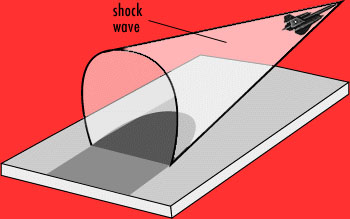 Even at closest approach we were still 25-30 miles cross range from the groundtrack (and it was another 15 miles up!) so I wasn’t sure if we were going to hear the sonic boom. That is the main prize of a landing, besides actually seeing it fly over. And we heard it — a clear double boom! By the time we heard it, the shuttle was waaaaay past us, practically at the north horizon, so you can envision a loooong cone being dragged behind it, representing the sonic boom, like the image at left.
It wasn’t loud, and honestly I actually only heard one of the two booms because I was talking, but Sharon heard both.
 So there’s my data point: during a shuttle landing, at 25-30 miles cross range from the groundtrack you can still hear the sonic boom. I don’t know how high up the shuttle can be and still make an audible boom down at the ground. 120,000 feet? 200,000 feet? I asked around online and didn’t get an answer.
To the right is a visualization (using Google Earth) of the actual path that the shuttle took coming in. The view is from south Florida looking north.
So with the shuttle now out of sight below the tree line, we listened via local news radio to the final minutes of the shuttle mission as it touched down on the KSC runway and rolled out (“Houston, Atlantis, wheels stop”). Got back in the car and completed our drive up to KSC, where I planned to spend a day seeing whatever I could. I had a press badge so I knew I’d at least be able to get into the press area, and if lucky I’d get onto a press bus to be able to watch the shuttle get towed back to its OPF building.
Or so I hoped. I arrived at KSC and found that it was now too late for me to pick up my press badge, which I’d reserved two months ago. NASA’s like, uh, the shuttle’s landed and you’re showing up to pick up your badge now? So I sadly turned tail and went to the Visitors Center, the tourist complex that the public can go to, and figured I’d get some things at the gift shop and call it a day.
 By the time I’d gotten there though, I’d formulated a new plan. Take one of the public tour buses and see if I can get myself to the right place at the right time and get some photos of the shuttle being towed as we drove by in our bus. At left is the area in question (from Google Earth); the shuttle lands on the airstrip in the distance in the upper left of the picture, then gets towed back towards the processing buildings, which are near the base of the huge Vehicle Assembly Building you see in the foreground.
The trick was going to be picking the right bus tour and timing my departure.
I knew that one of the premium bus tours takes you to the Shuttle Landing Facility (SLF), the runway that the shuttle lands on, so I naturally figured that would be the best option to get an up close view, even if the bus was prevented from actually going to the runway due to presence of shuttle. But that tour was sold out! So I just got the generic bus tour. But this would turn out to be a lucky move.
The generic bus tour leaves every 15-20 minutes and you can get on any bus, so I got on one and hoped for the best. This turned into a bit of drama because the line to get on the bus was very long and inserted some unneeded delays into my attempted careful timing. Anyway, got on the bus and got moving. Via mobile phone web browser I was keeping up with my fellow nerds who were tracking every move of Atlantis on the runway, waiting for her to get the long and slow tow back to the OPF.

And here is where I lucked out. The bus first goes to the “launch gantry”, a tourist spot relatively close to the shuttle launch pads (LC-39A and LC-39B) where you can get take your time looking around and taking photos of things in the distance (like the panorama above).  Critically, when you leave the launch gantry you don’t have to get back on the same bus. They just have a constant stream of busses arriving and departing, taking folks to the next stop. So I now had another opportunity to time my departure to try to intercept the shuttle under tow.
Once I saw via mobile web that the shuttle had turned off the runway and onto the towway (seen at right in a screenshot from NASA TV at the time), I leapt into the next bus and grabbed a seat on the left side of the bus, knowing that that would be the side I’d need to be on as we drove past. And indeed, as soon as the bus got moving, the driver got on the PA and said he was hustling a bit because he know the shuttle was rolling and he was trying to get a view for us. 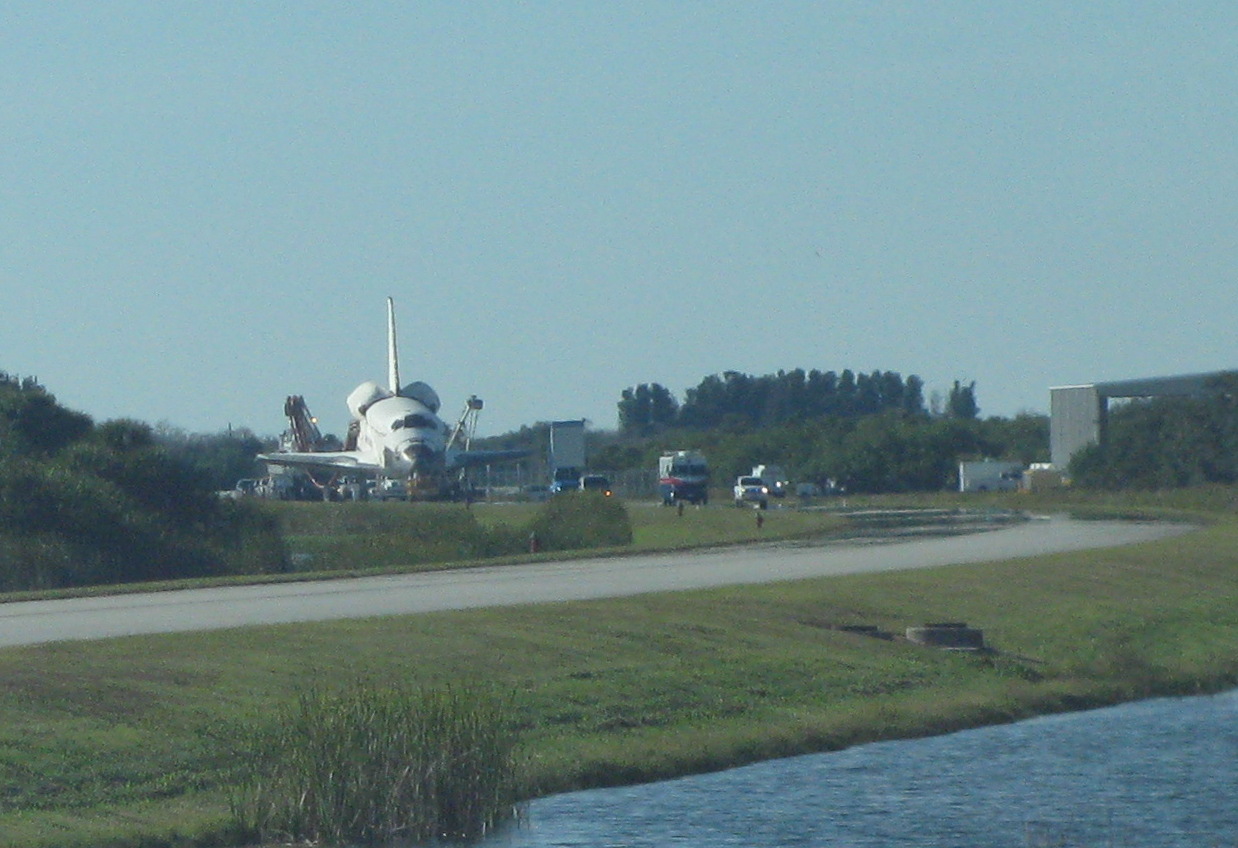 A couple minutes later, as we approached the towway, we could see the tail of the shuttle poking above the trees! (The top of the shuttle’s tail is nearly 60 feet high — 5 stories) The driver slowed down as we drove past the moment of catching a good glimpse but said he wasn’t allowed to stop. That’s alright, I was madly snapping photos and was able to grab one good one, seen here. Again, so you understand the context, we were driving past and looking down a long road towards the landing strip, where the shuttle had landed and was now being towed back to its regular hangar.
So, all that was over in about 30 seconds and we continued another half mile or so to the Saturn building. This is another tourist stop, and really just as big an attraction as the main visitor’s center where everyone starts their visit. There’s a simulation of the Apollo control room during launch, a theater, countless exhibits, a restaurant and gift shop, all arrayed around a huge Saturn V rocket lying on its side. (see our 2007 visit for a representative photo of that) I stepped off the bus, chatted with the the driver about the possibility of getting another view of the shuttle being towed, and got right back on the bus. I didn’t even go into the Saturn V center — been there, done that, and someday perhaps I’ll do it again but today I had a much better thing to do, go see a shuttle just hours back from space!
I got back on the bus, grabbed a seat near the front and on the right side. The bus pulled out of the Saturn V and we could immediately see the tip of the tail, now a good halfway down the towway. This would be a good photo as we drove by! We got closer to the intersection, the bus slowed, and then …
 The bus stopped.
We were fifth or so in a group of tour busses that were stopped at the side of the road, right at that intersection, waiting for the shuttle to pass by. The freaking space shuttle was going to parade its matte black ass right in front of my face.
 To the right is an aerial photo from a mission a couple years ago showing what I had lucked into. If you look closely (click to enlarge), you’ll see the shuttle being towed with the convoy of vehicles behind it. Just behind those, at the right edge of that picture, you can make out some more vehicles at the side of the road. Those are the tour busses, and I was in one of them.
 It turns out that when they tow the shuttle back, about 30 minutes prior, they stop traffic on the road that it’ll be rolling over and literally sweep that section of road clean. They run street cleaners or brooms or something and then walk it down (a mile or two) inspecting for any remaining debris. Seems expensive and excessive, right? Well, they are towing the shuttle back on its own wheels (way too hard to get it up on a dolly), and can you imagine what an operation it would be to have to change a tire on that beast if it had a blowout? It ends up being much easier and cheaper to instead just spend the money and time to clean and inspect the road just prior to rollover. Risk management.
 After they do that surface inspection, though, nobody is allowed to drive on the road until the shuttle has rolled over it and reached the building it’s going to. That meant stopping any southbound traffic, and so I had lucked into one of the most impossibly great photo opportunities imaginable that day.
The shuttle slowly rolled past and I practically hyperventilated as I took pictures as fast as the camera would go. The entire bus was crowded at the windows, snapping away, chattering excitedly.
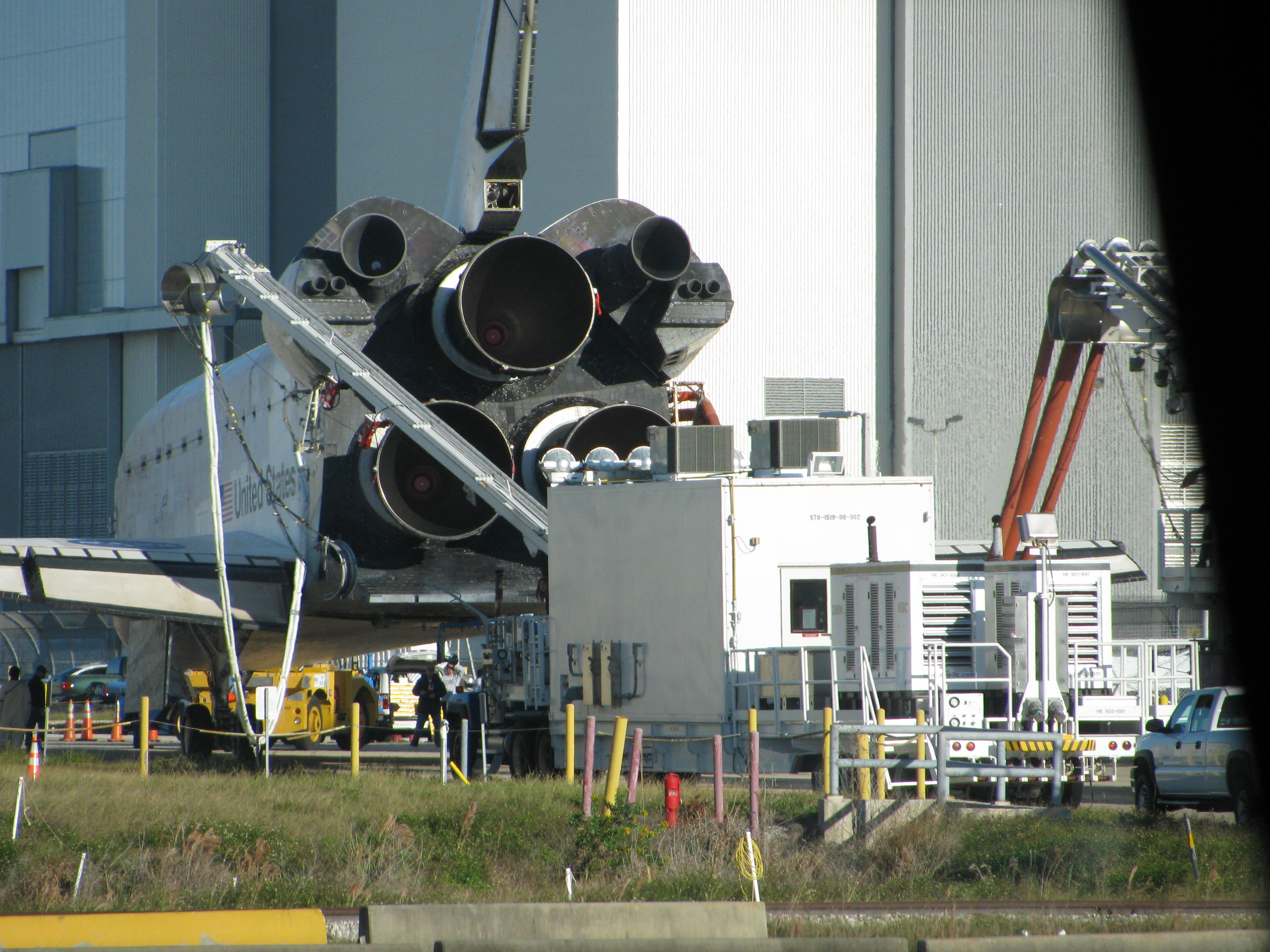 (A week after this, I sent one of these photos to a friend at a certain major media organization, and she liked it so much that she twitter’d it — here’s the photo.)
After about 25 minutes of this, the shuttle had finally reached its destination and was off the road, meaning we could get moving again. As the bus started rolling down the road again, we drove by the shuttle one last time, which was now parked in front of the OPF waiting for entry, and I got a few final shots as we rolled past.
And that was it. The bus went back to the Visitor’s Center and I was pretty much worn out. Oh wait, there’s more! I wandered around the Visitor’s Center deciding if I’d had enough and it might be time to call it a day, when I saw that there was something just starting in the presentation auditorium they have there. Story Musgrave was giving a slideshow on his photography and then doing a book signing. Musgrave is one of the most experienced astronauts ever, and quite a notorious character, so I stuck around for his presentation and then waited to get a picture taken with him and a signed copy of his book, a beautiful collection of T-38 photographs that he’s taken over the years.
———————————————————————————————————————————
So, now, I’d like to boil all this down to some tips for anyone else who would like to see the shuttle up close, after landing, like I was able to. First, note the timeline of what happened in my case:
9:45am — landing in Florida
2:00pm — first motion on the tow from the runway
3:00pm — turn from runway onto towway
3:15pm — first visible from parkway (rounding the bend)
3:30pm — turn from towway onto parkway; ideal photo opportunity
3:45pm — start turn from parkway onto ramp to OPF
3:50pm — road clear, parkway traffic moving again
The 4 hours from landing to tow first motion is typical. In my case, the shuttle had landed heading northbound (runway 33) instead of southbound (runway 15), which put it at the far end of the runway at wheels stop. This added, by my estimate, 30 to 45 minutes to the processing time. So consider the landing direction when you try to time this, because if it’s a sounthbound landing, then they might start towing only 3h15m or 3h30m after landing.
In general, the photo op I’ve written about above occurs around 5-6 hours after landing time. The tour busses only run during daylight hours, so this method is only going to work if the landing has occurred in the morning, as early as 4am or so and as late as 11am.
Keep up with the live status of the shuttle on the runway at www.NASASpaceFlight.com (aka NSF), in particular the NSF forums, where they have a live commentary thread for each mission day. You can also check the NASA TV screengrab (jpg still image) to see what’s happening this instant. Use this information to time which bus you get onto at the Visitor’s Center, and be conservative, in the sense of getting onto a bus too early rather than too late. You’ll be getting onto a regular “free” tour bus, not any of the special tours.
Then when you get to the launch gantry stop, you can re-calibrate and get on the next bus at the right time, so that you see something as you drive past the towway heading north towards the Apollo / Saturn building.
Then when you get to the Apollo / Saturn building, you can re-calibrate and get on the next bus at the right time, so that you intentionally get stuck at the towway intersection after they’ve closed the road. As for the timing of that … Based on my experience, including the fact that there were 4-5 busses in front of us at that intersection, I’d guess that they close the road at around the same time that the shuttle turns from the runway onto the towway, or maybe 10-15 minutes after that. So that is when you’d want to get on a bus at the Apollo / Saturn building, so you’d be first in line getting stuck and have the best photo op. I’d recommend that you get chummy with the bus driver and see if his radio tells him when they’ve closed the road, because that’ll be the best info of all. As soon as they close the road, get on the bus!
Good luck!
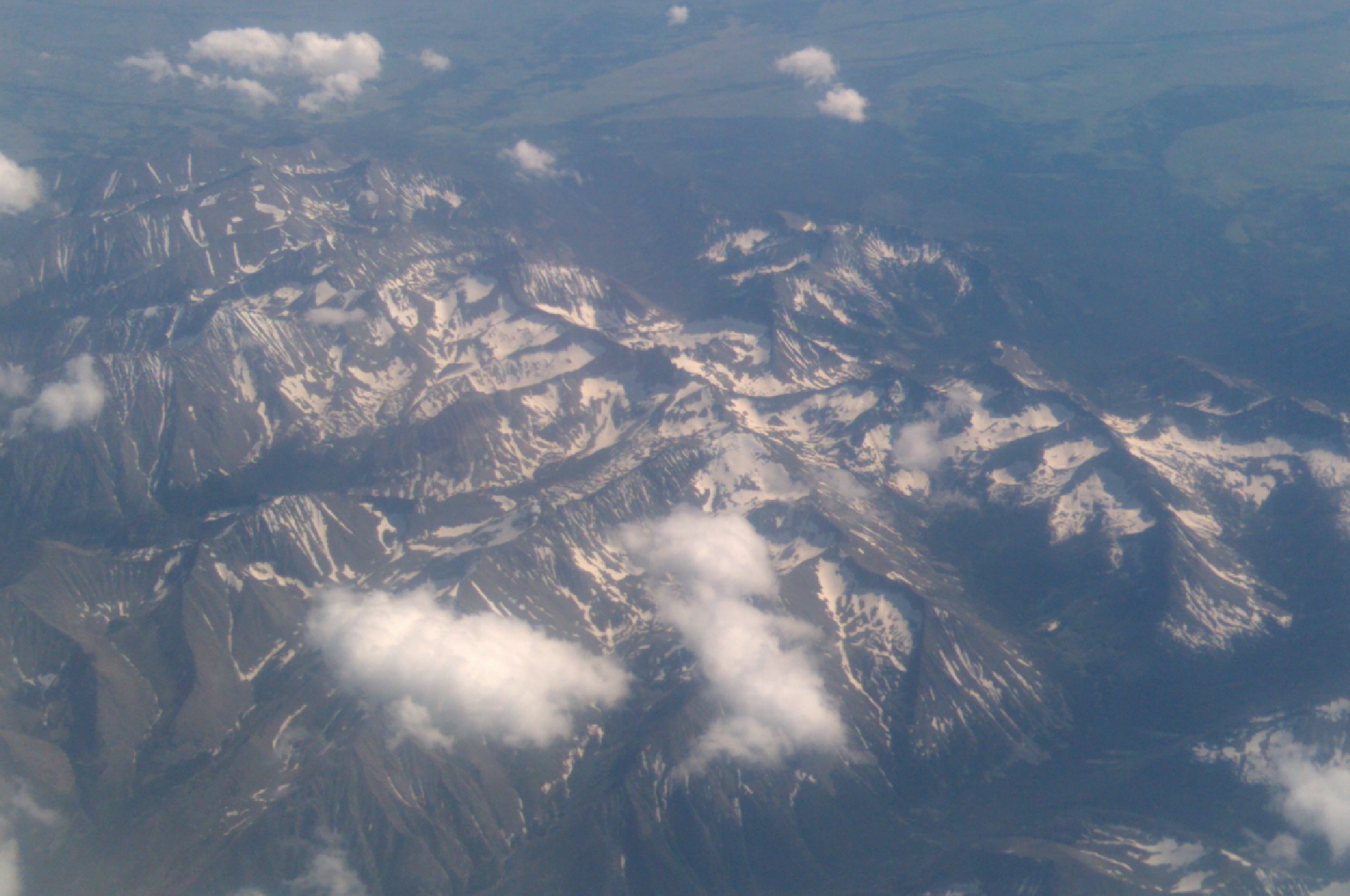 I (Chris) continue to be a giddy little boy when it comes to flying. I always want a window seat, and I really do spend most of the flight, even a 5 hour flight like this one, with my face pressed to the window looking down in amazement. And also looking at my GPS receiver, which I received for Christmas from my family a few years ago specifically for this purpose — seeing what I was flying over.
 Arrived in SEA-TAC airport, took the shiny new
 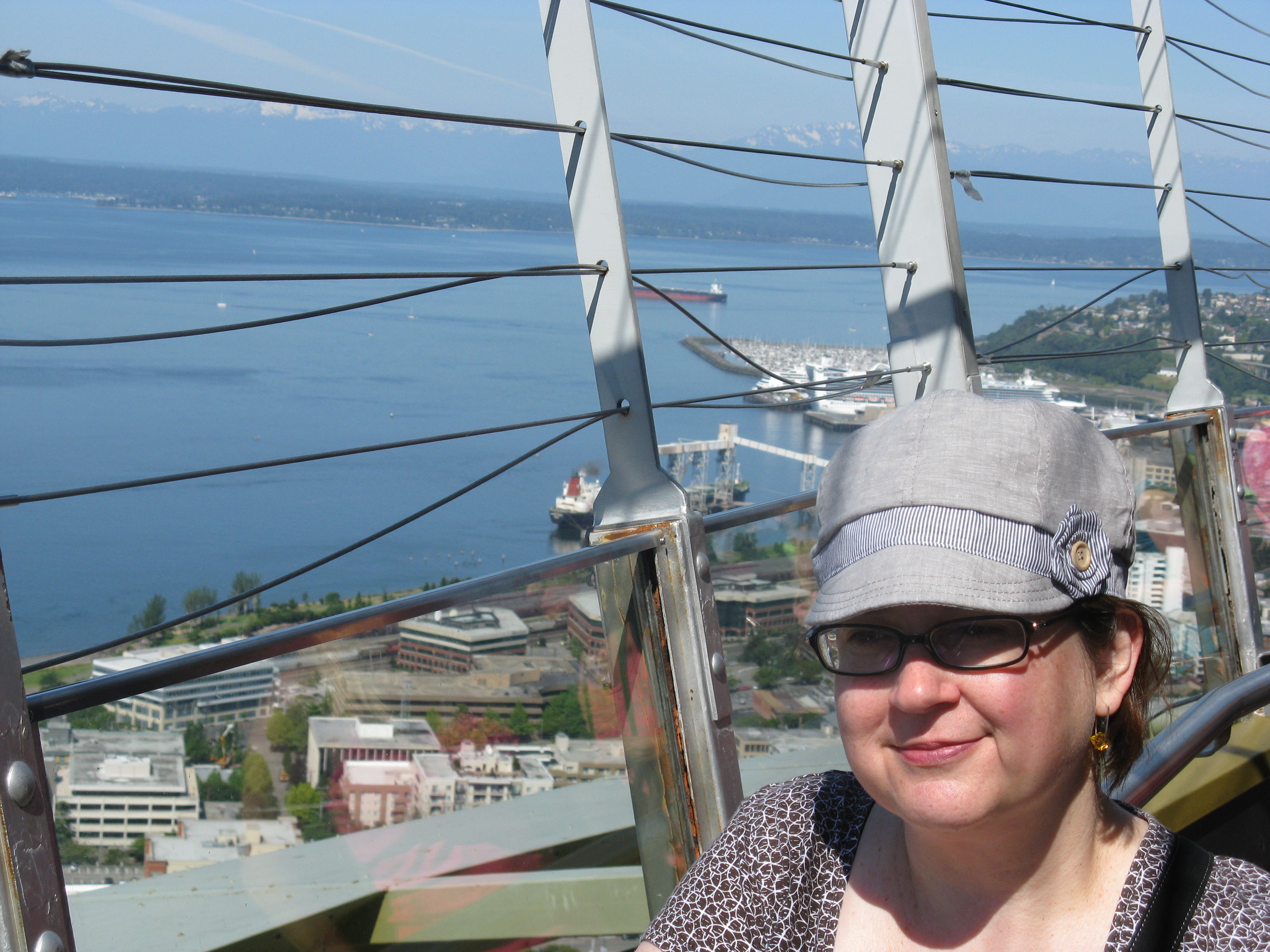 So we punted and took the monorail out to Seattle Center. The monorail, built in 1962 for the Worlds Fair (coughknoxvillecough), is perfectly functional but looking a bit dated, and really only goes from Tourist Point A (Westlake / downtown area) to Tourist Point B (Seattle Center). Seattle Center is most known for the Space Needle (more 1962 municipal construction) and the Experience Music Project, both of which we planned to studiously avoid. There was a indie craft fair (excuse me, “
 From there we backtracked a bit to where we’d spotted
 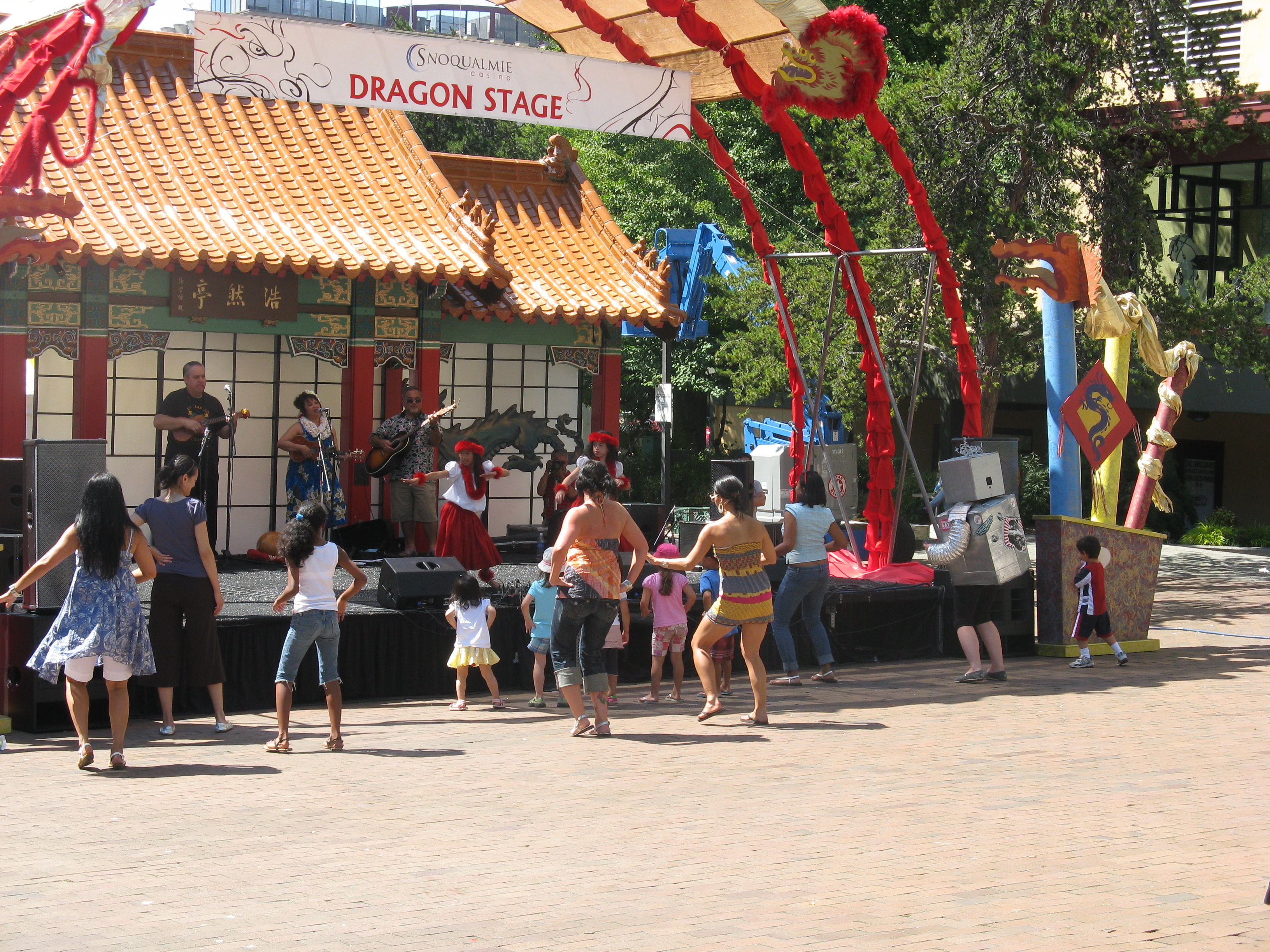 Escaped from there and on the way back to the transit station Sharon spotted a “variety store” advertising Asian wares. Inside we found a truly strange and wonderful place.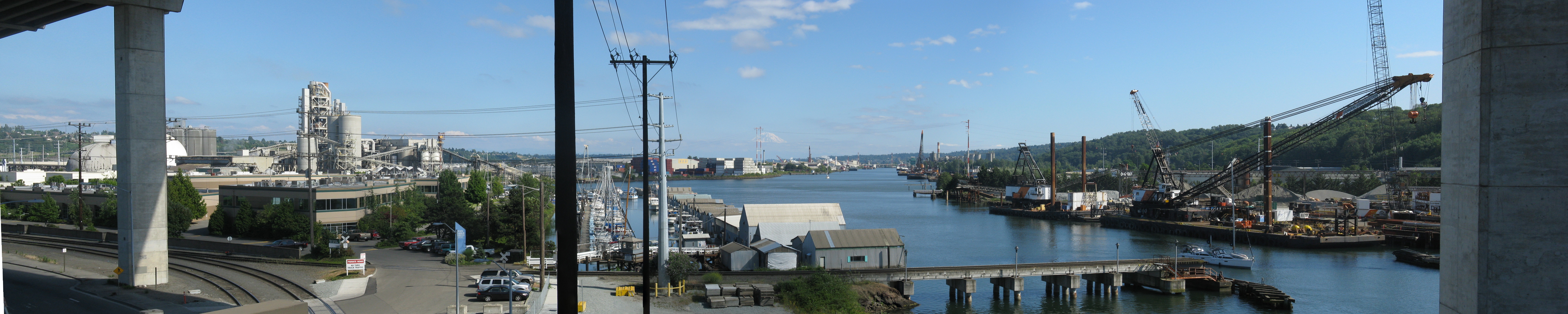
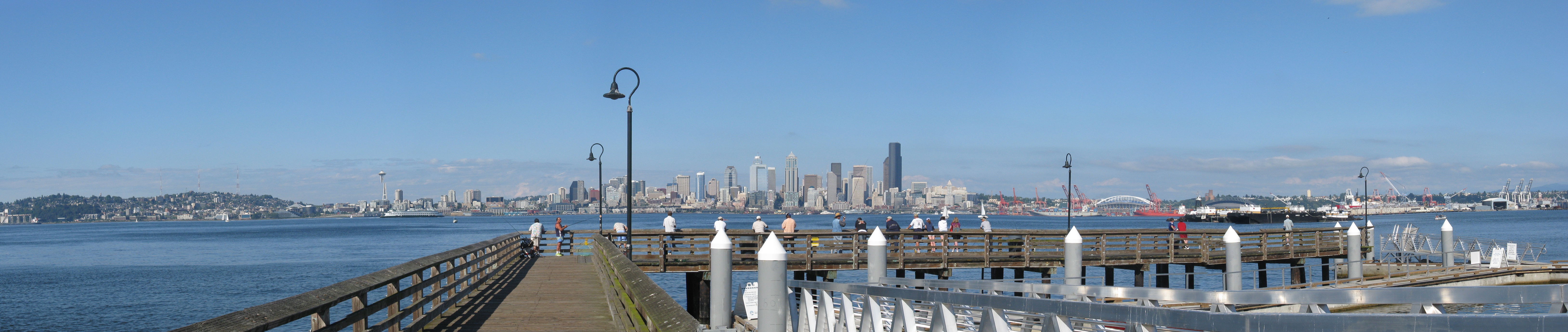
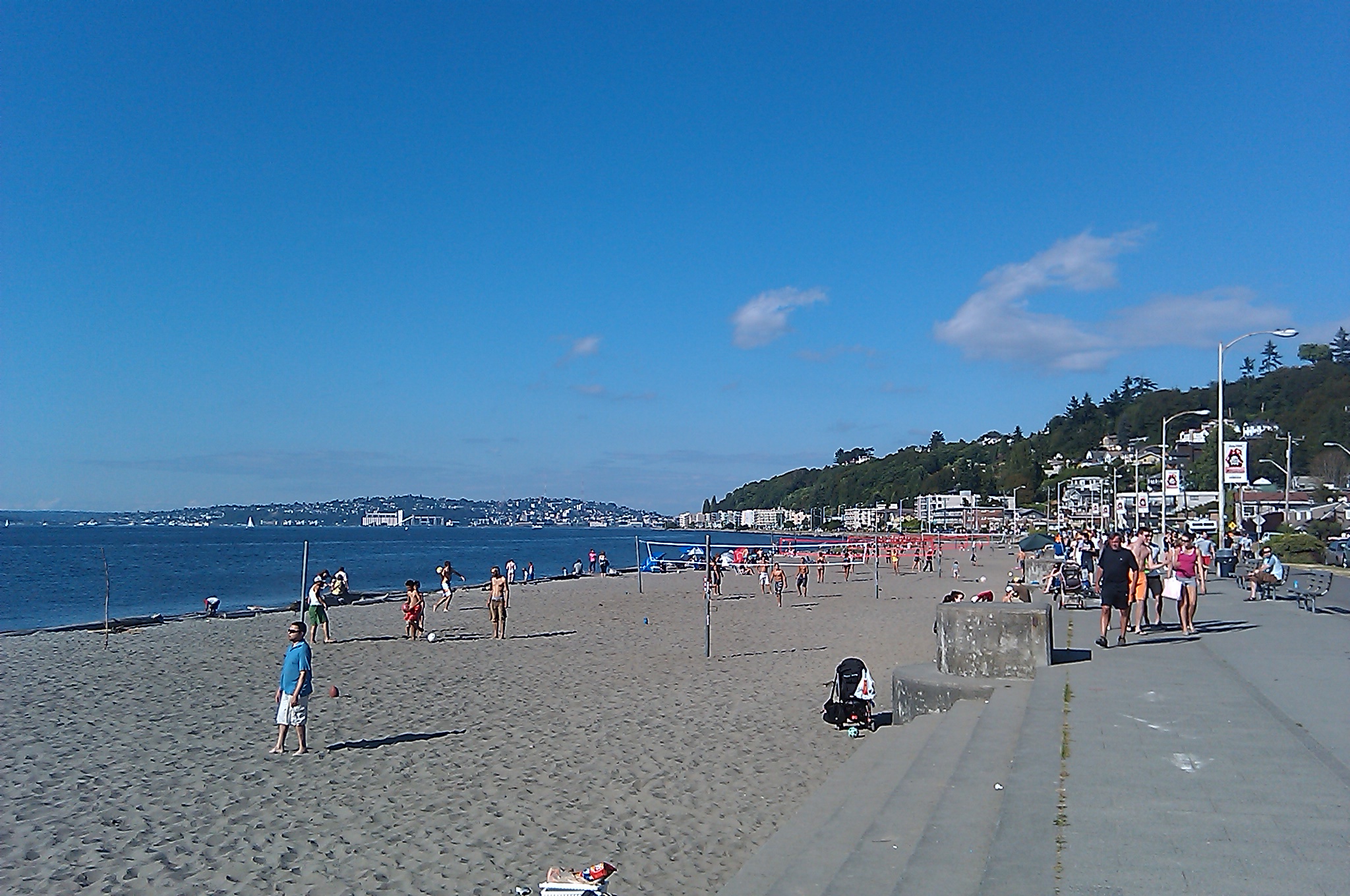 Finally reaching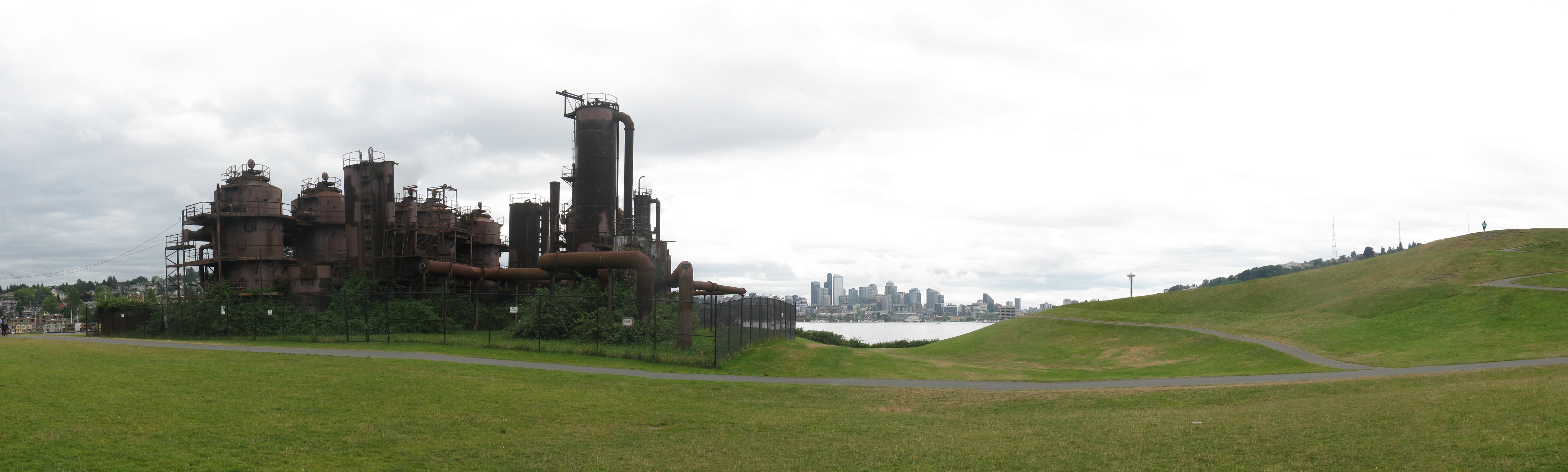
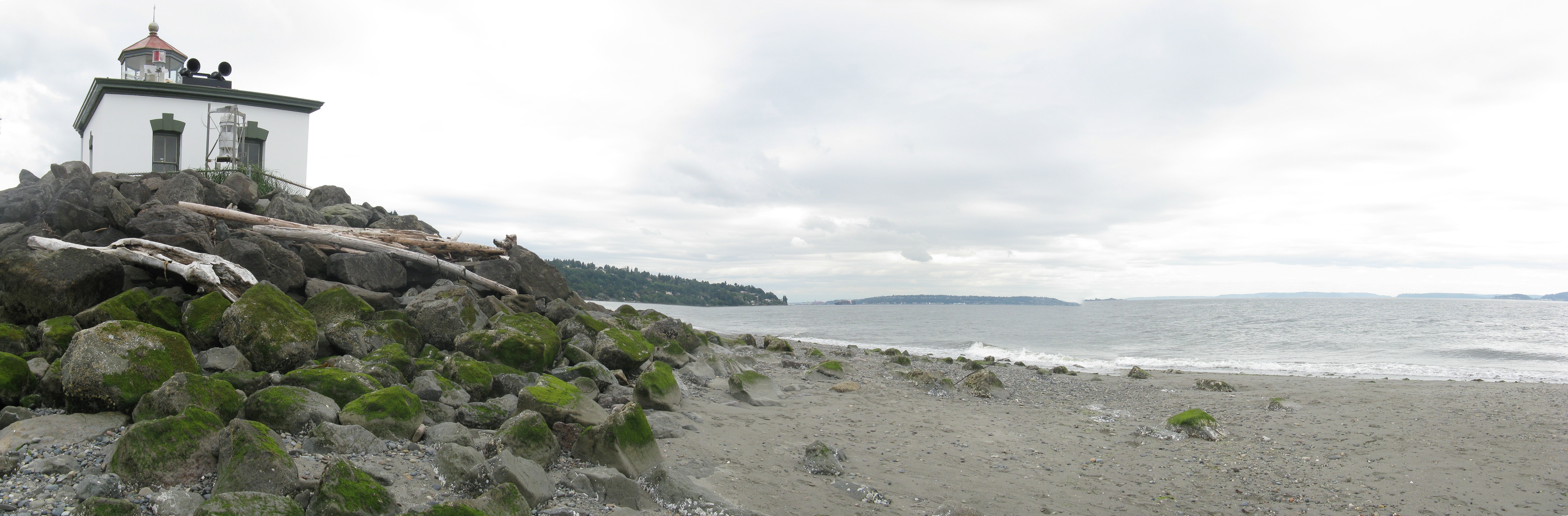
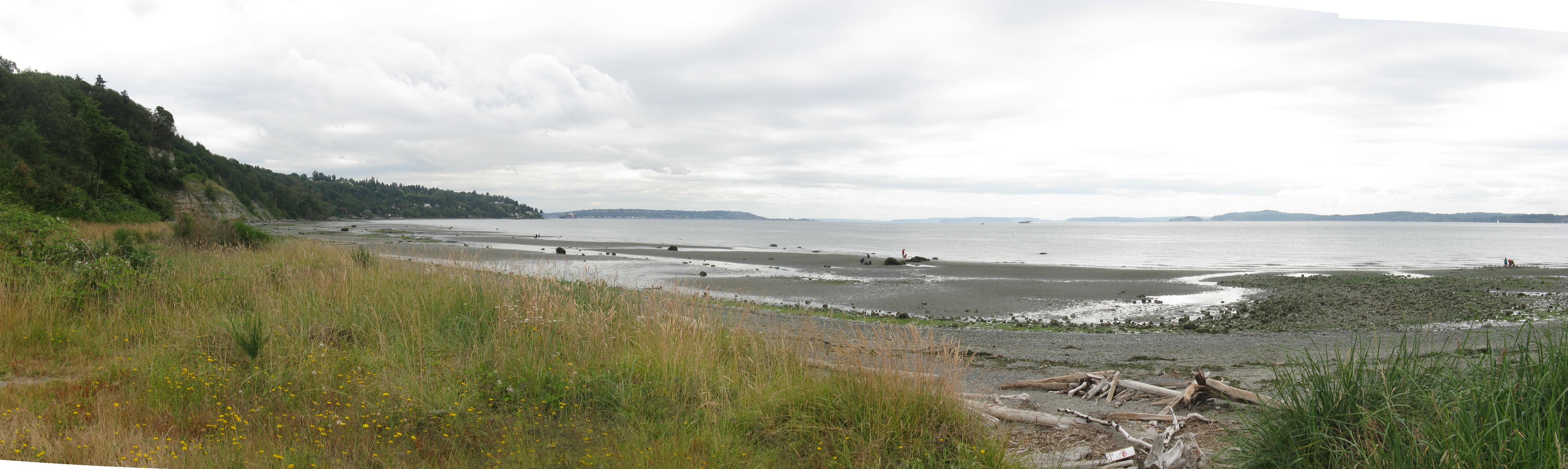
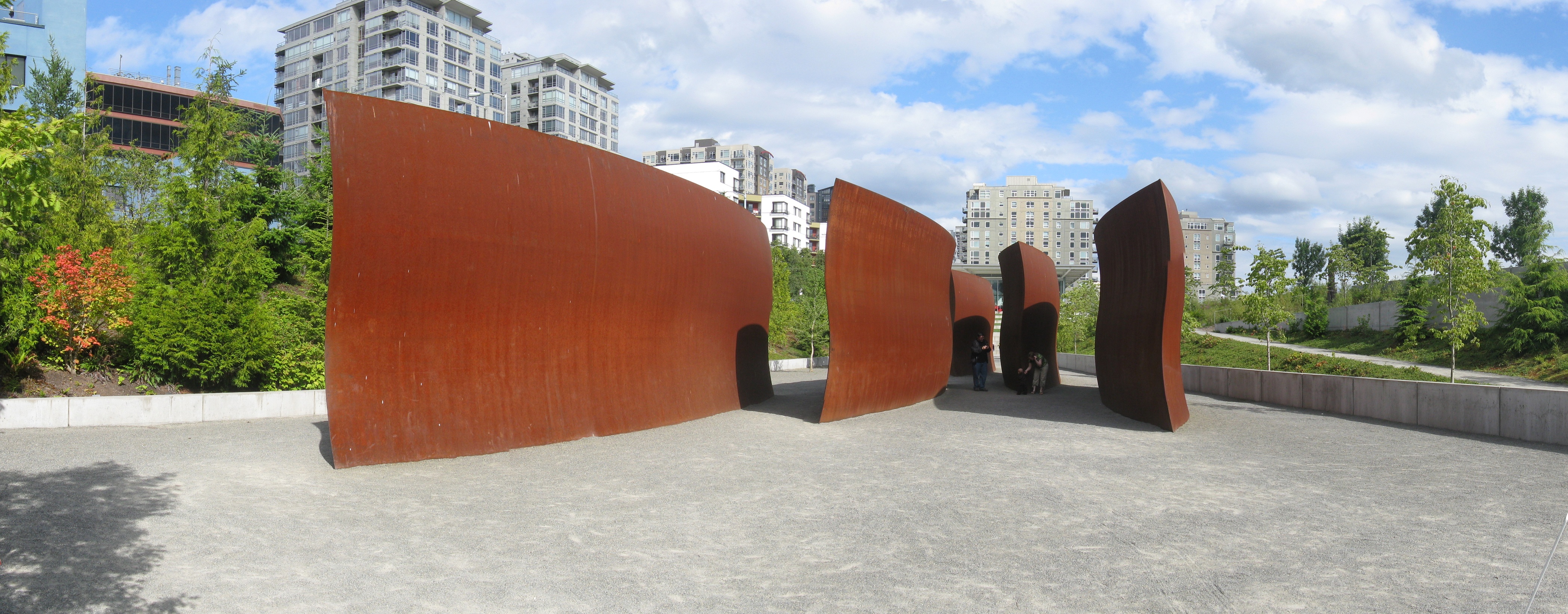
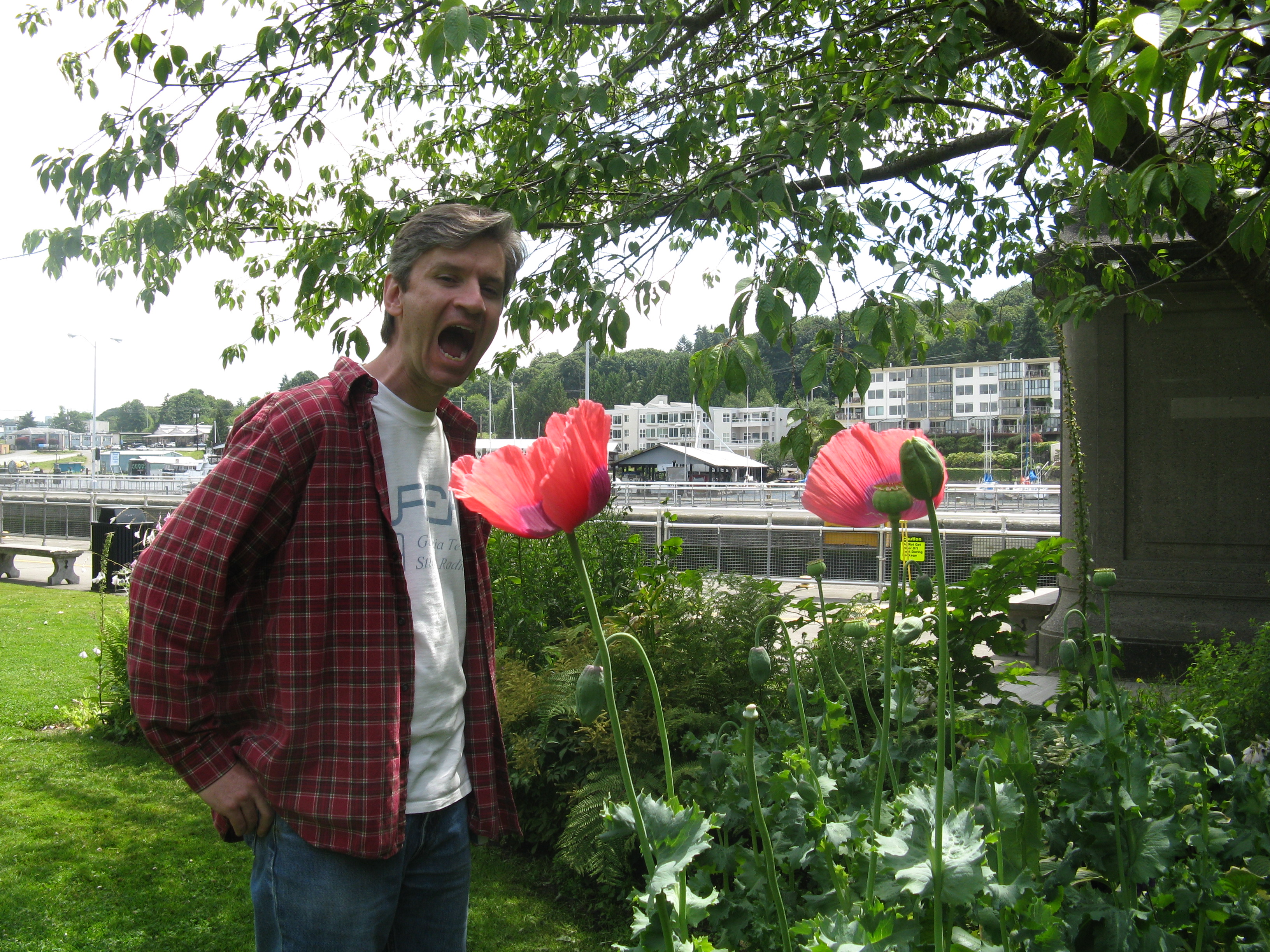 From there we stopped by the CoCA Ballard gallery (freakishly small, literally the size of a closet) on our way to catching a bus out through the Magnolia neighborhood, and took a cool woodsy trail down to the Chittendon Locks, aka the Ballard Locks. Fish ladder. Good stuff. And this time took a closer look at the garden, with impossibly huge flowers.
 Final stop: the touristy restaurant a block from the hotel. Walls covered in beer tap handles, attracting a mix of tourist dullards and drunk rednecks. We were served an assortment of meat in impossibly huge portions. And got the hard upsell from the wait staff.
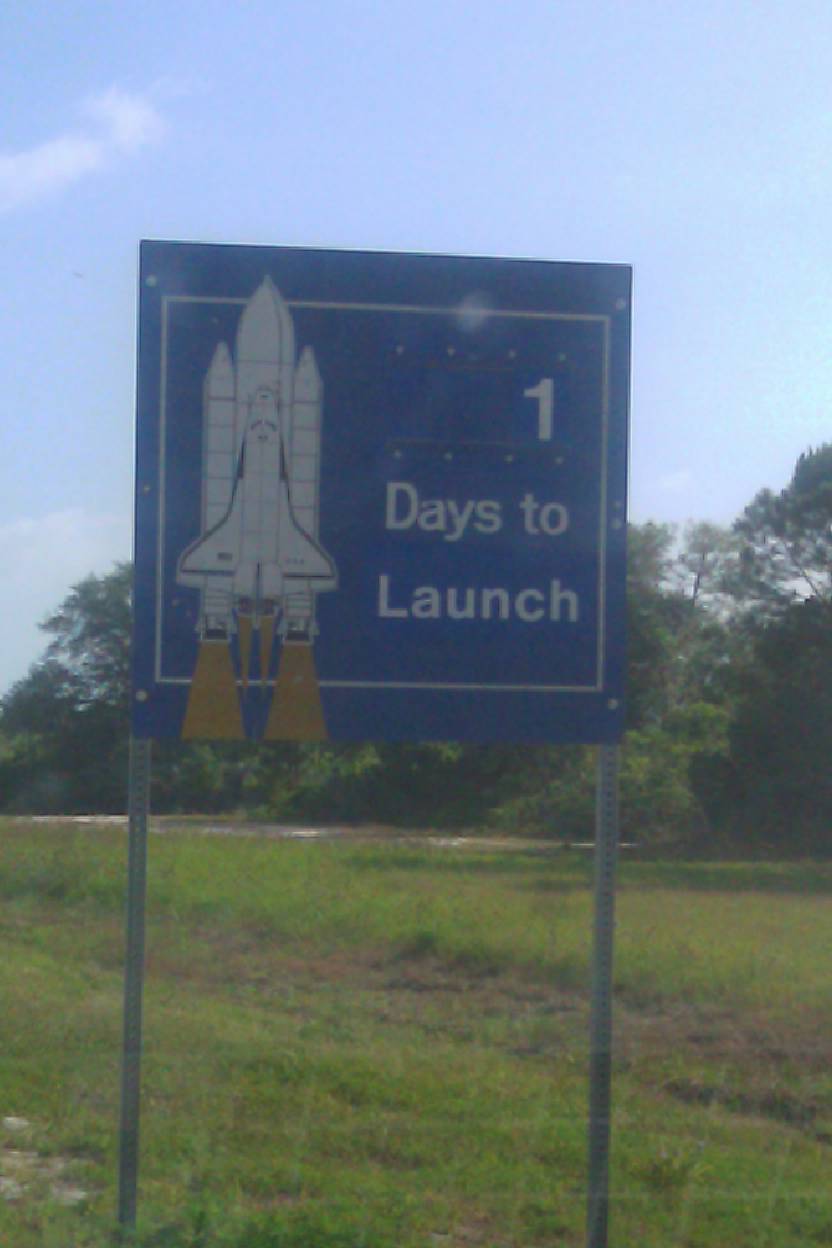
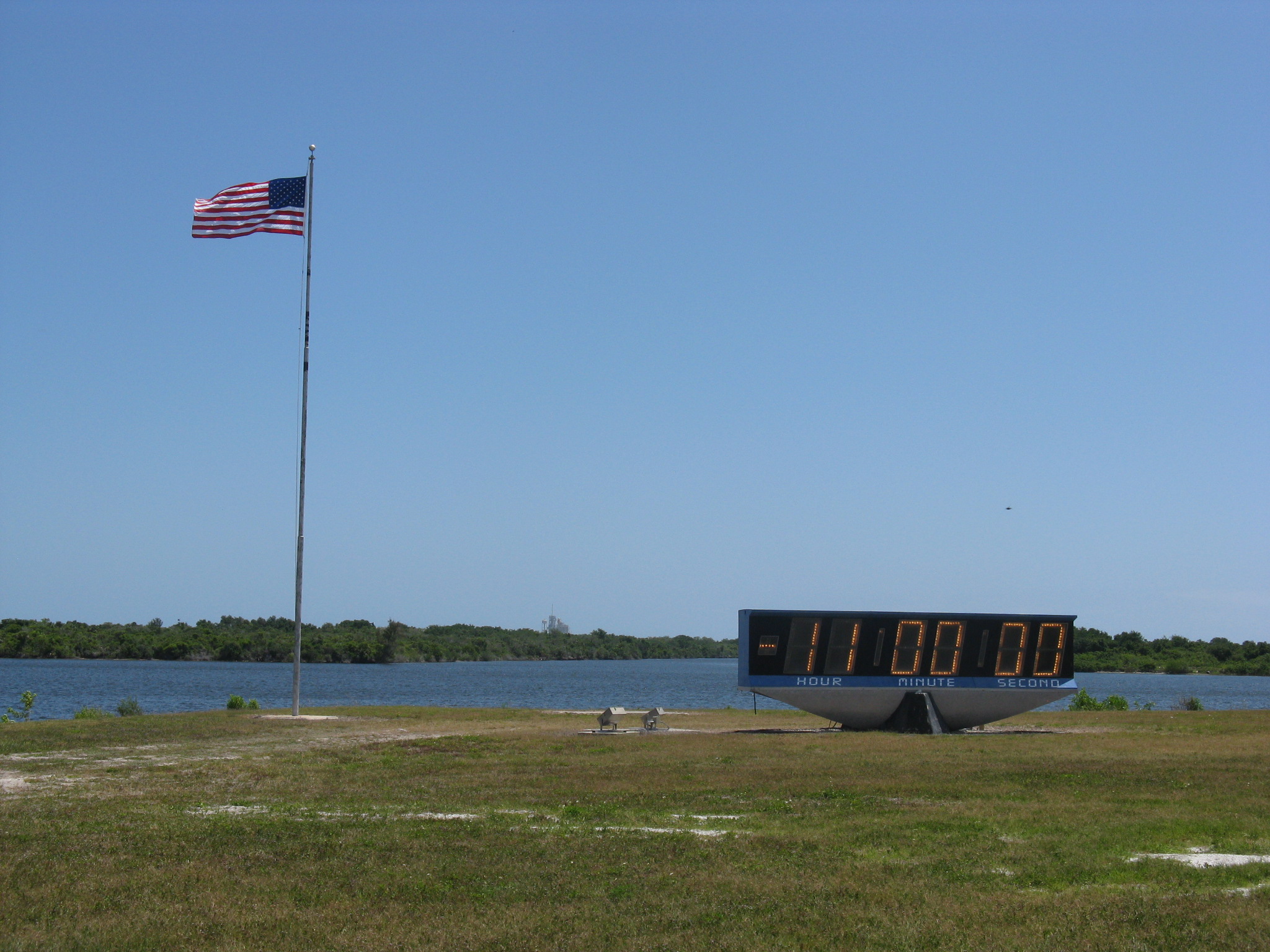 Launch wasn’t going to be until Friday, but I’ve learned from previous trips that I need to get there and onsite at KSC early on the day before a launch because they will have some unique things planned for the media, like a tour of some facility that is otherwise off limits to the public. But you have to get there first thing in the morning and check out the signup sheets. Which I did, and found that they were offering a tour of the
  kind of a letdown (the ultimate would be the VAB or an OPF) but I’ll take it. So I signed up and then had a couple hours to kill before it started.
 The briefing wrapped up and I killed some more time, and then got ready to go on the SLSL tour. Bastards left early. No tour. Bah!
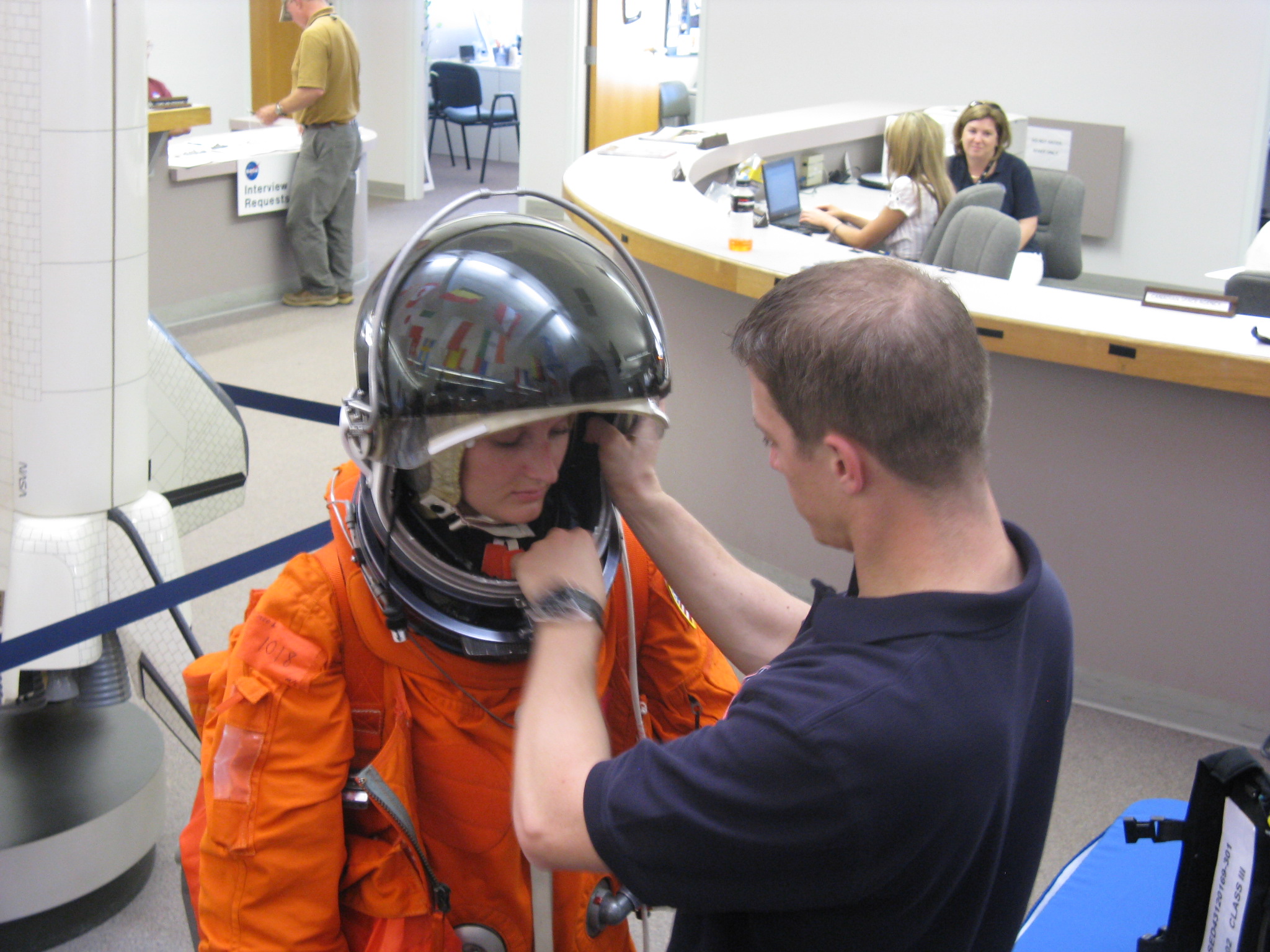
 and up front are various NASA representatives available to answer any question, and all around are various TVs showing the NASA TV feeds. So in a modest area up front, they had a space suit expert who had brought in a suit and was dressing up some poor young lady from public affairs staff in it and explaining the parts as he went along. This wasn’t the big white suit they use for spacewalks, rather the orange “launch and entry” suit that the astronauts wear when inside the space shuttle during the hazardous phases at the very beginning and end of each mission. Pressurized air, coolant loops, helmet with visors, and even an emergency life raft and oxygen.
 After that, I grabbed a quick bite to eat at the cafeteria (the same one the workers use, another thrill) and then had a couple hours to kill until the next event. So I did a test setup of my telescope in the parking lot. I’d brought a telescope with me in March 2009, but this time I was bringing the fancier new one. I hadn’t actually used it in a couple months, and just threw it in the car for the drive down, so I needed to give it a full test before things got busy on launch day.
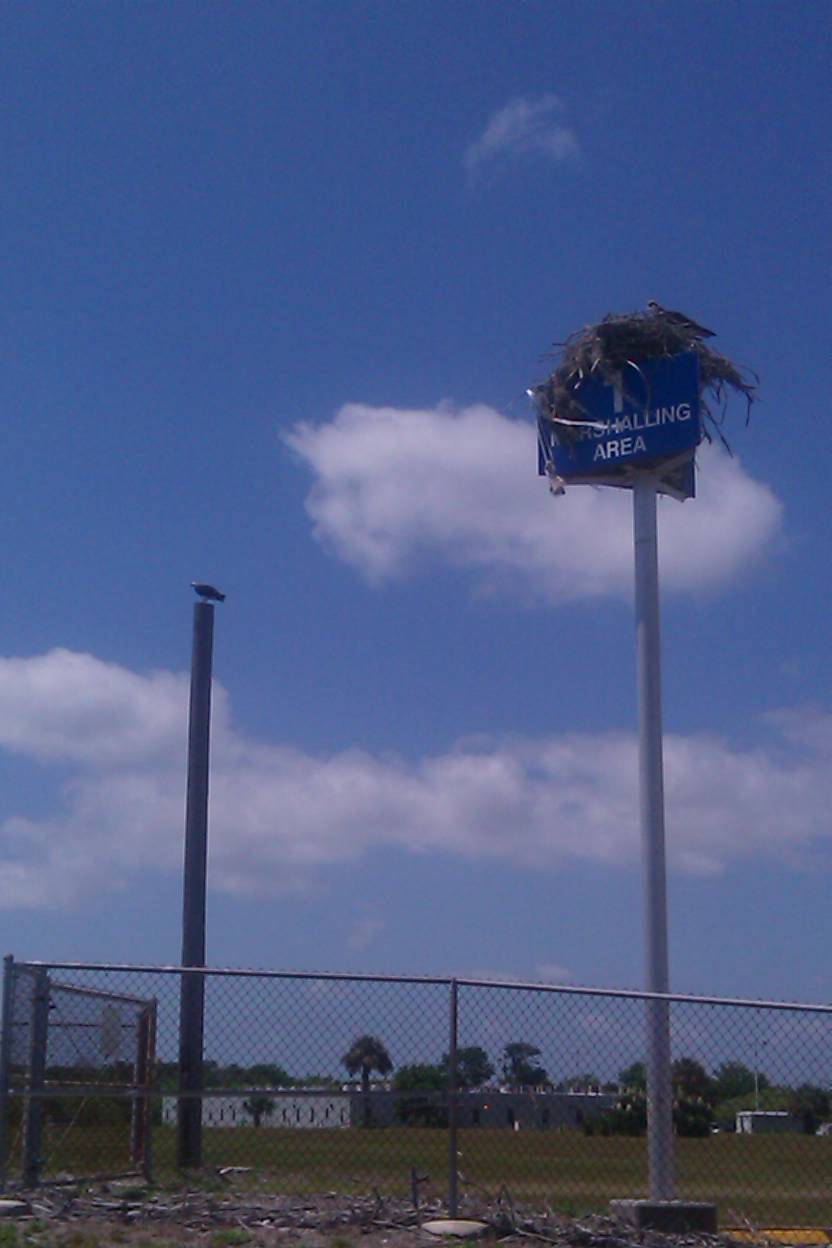
  I spent two hours swing it around, looking at the launch pad, osprey nests, airliners high overhead, vultures circling over the VAB, etc. It all looked like it was working and I packed it back up into the car. I had my head down looking in the eyepiece most of the time and laterfound that I hadn’t put sunscreen on my neck and now had a wicked sunburned “red neck”.
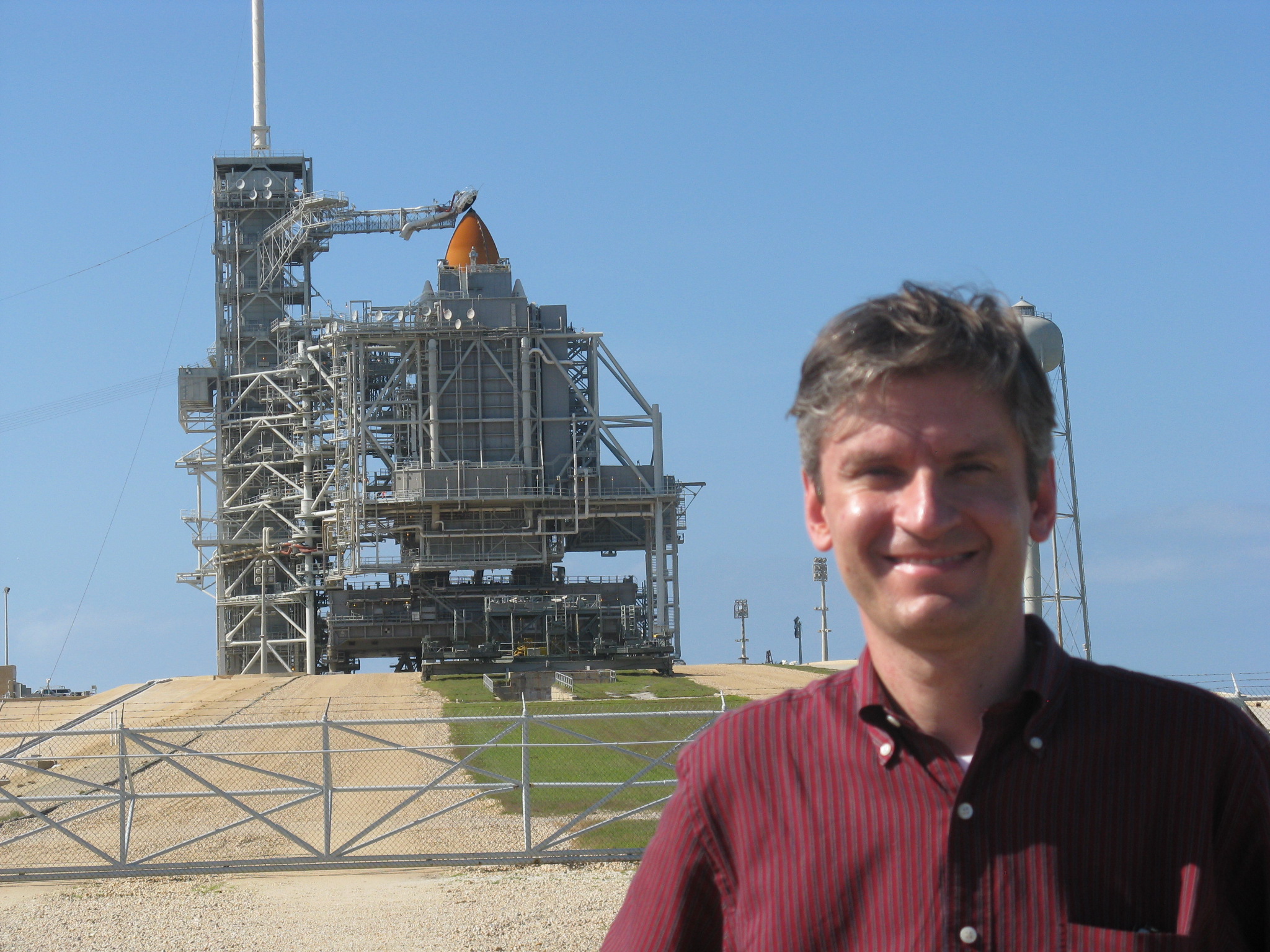
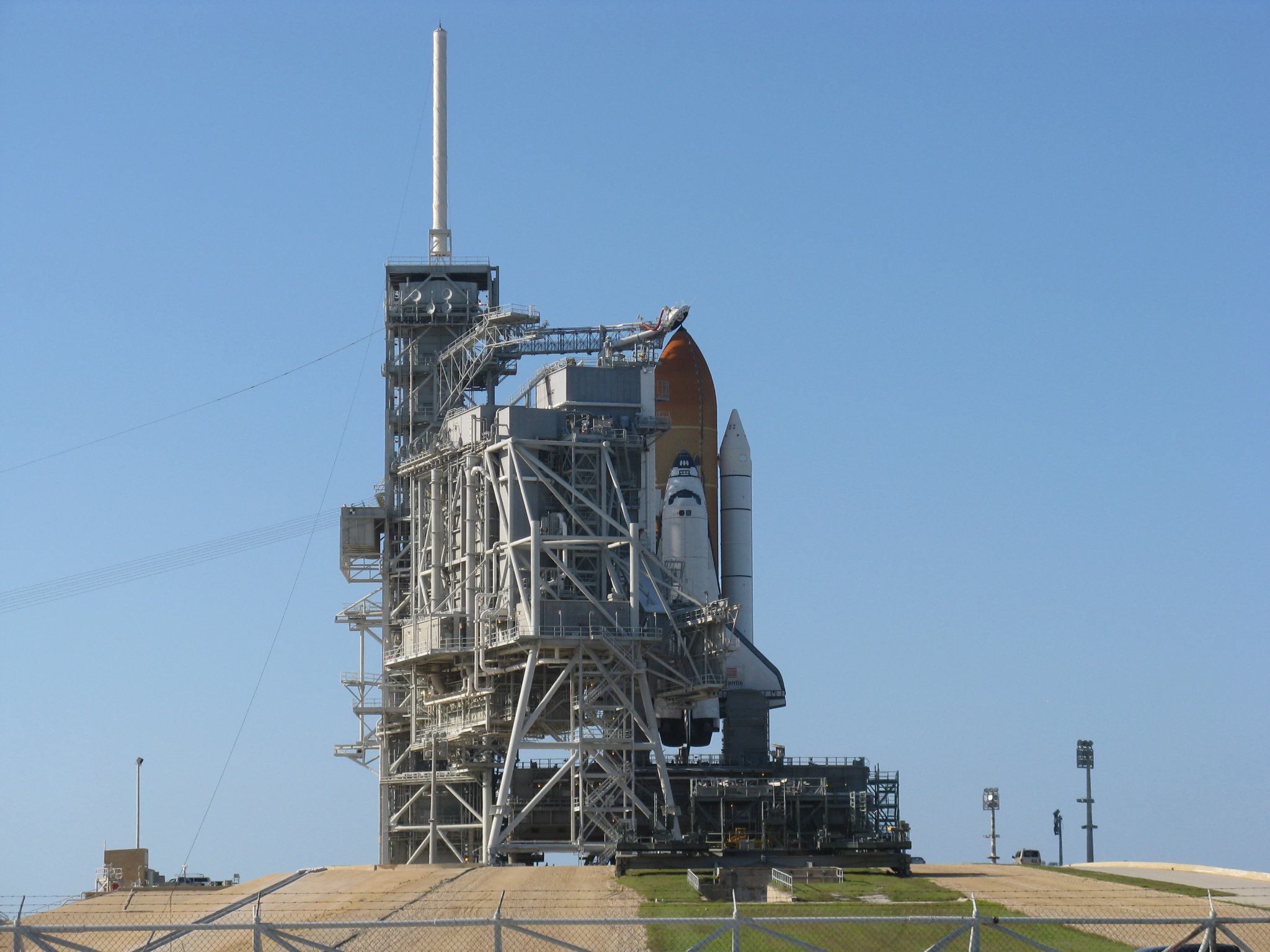 a trip out to the launch pad to see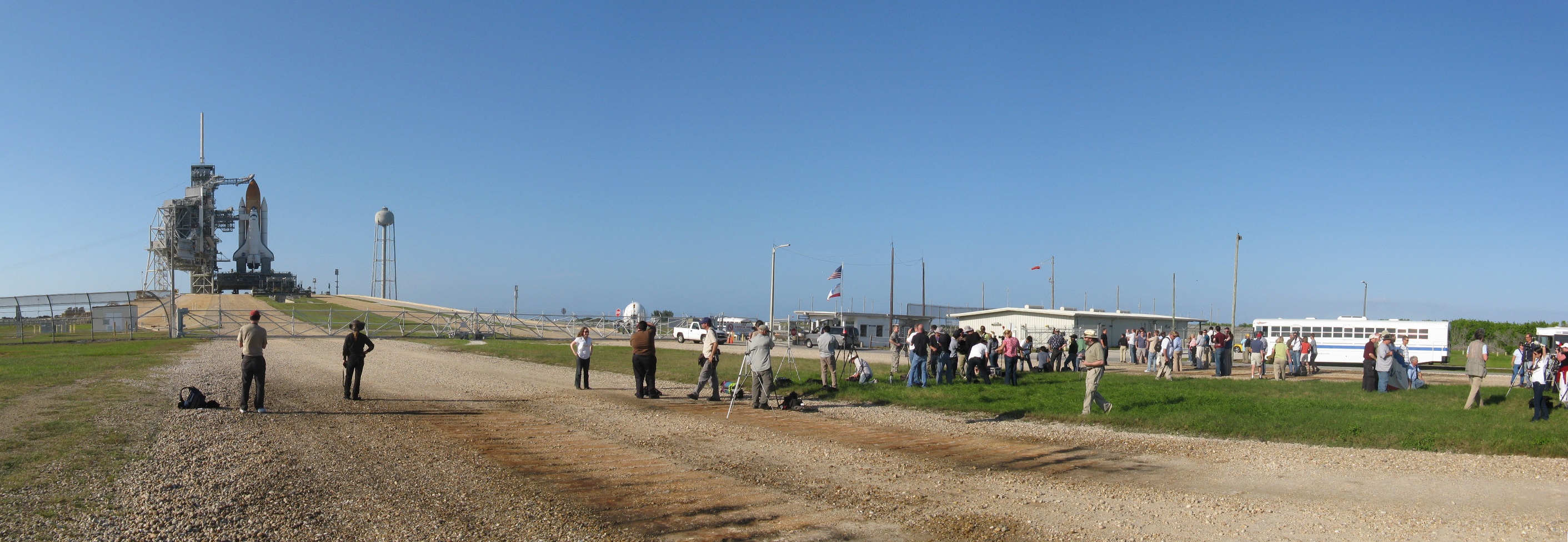
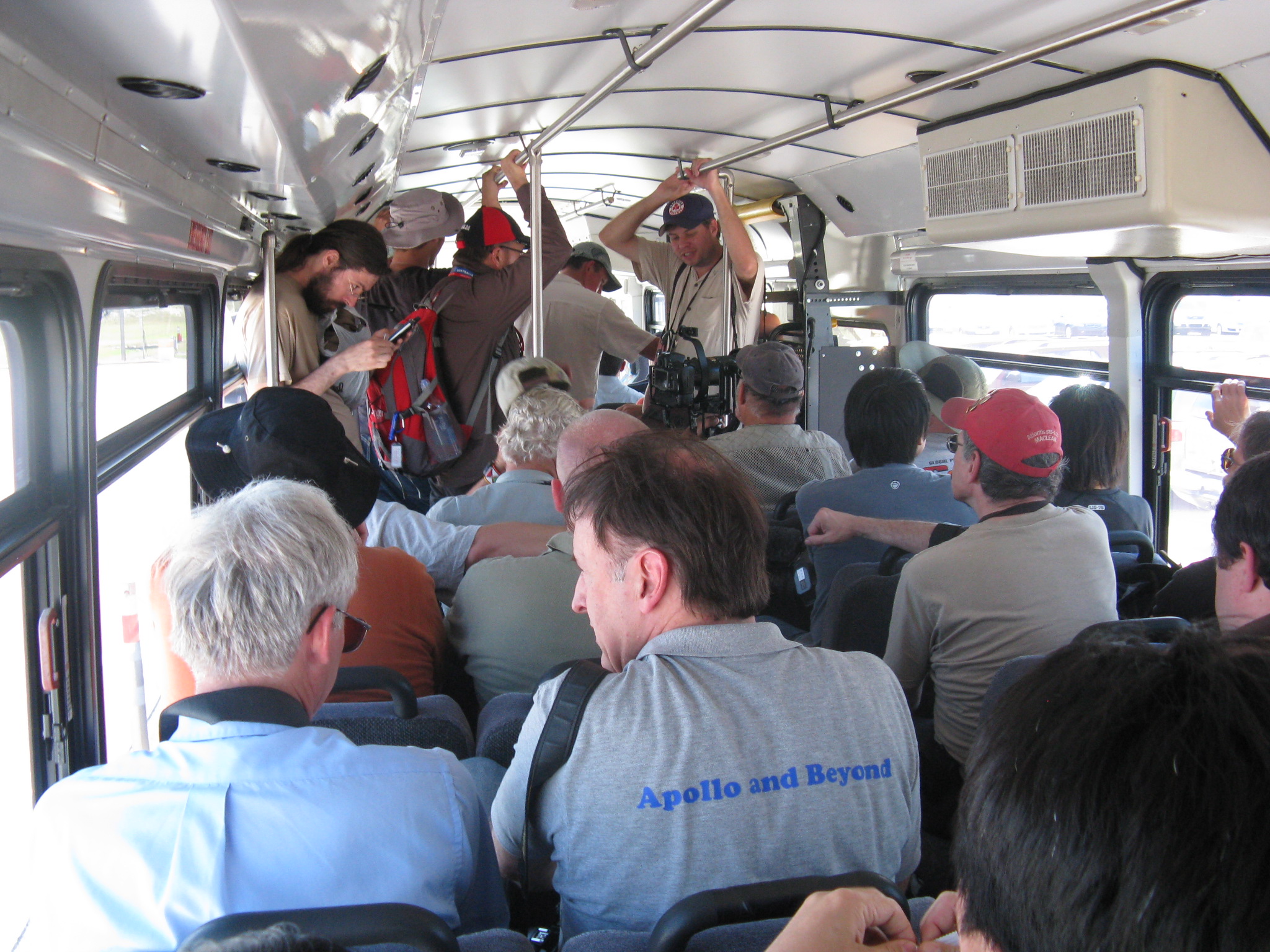
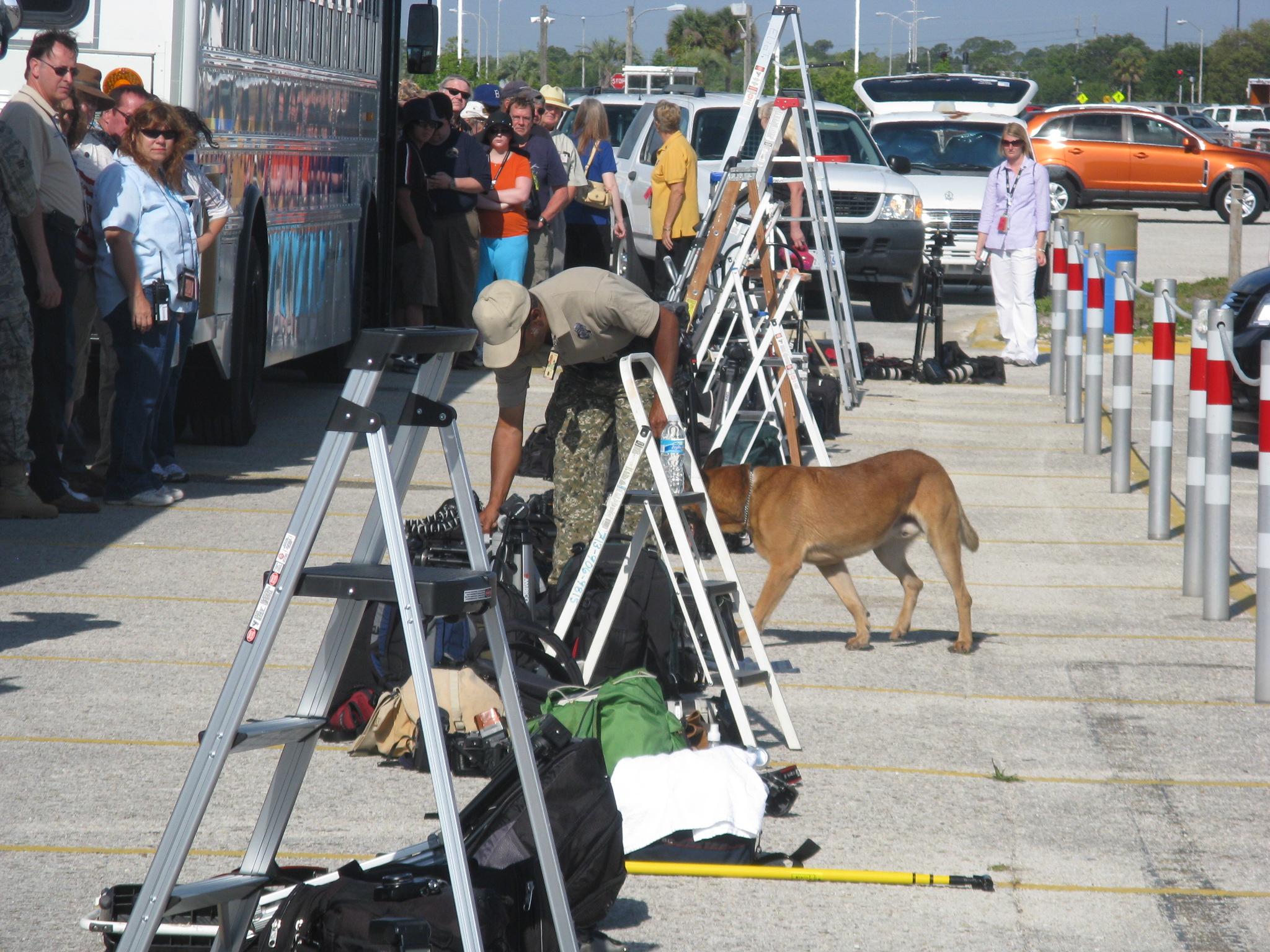 Got to KSC right on time and got in line for the busses. These were going to take us over to the
 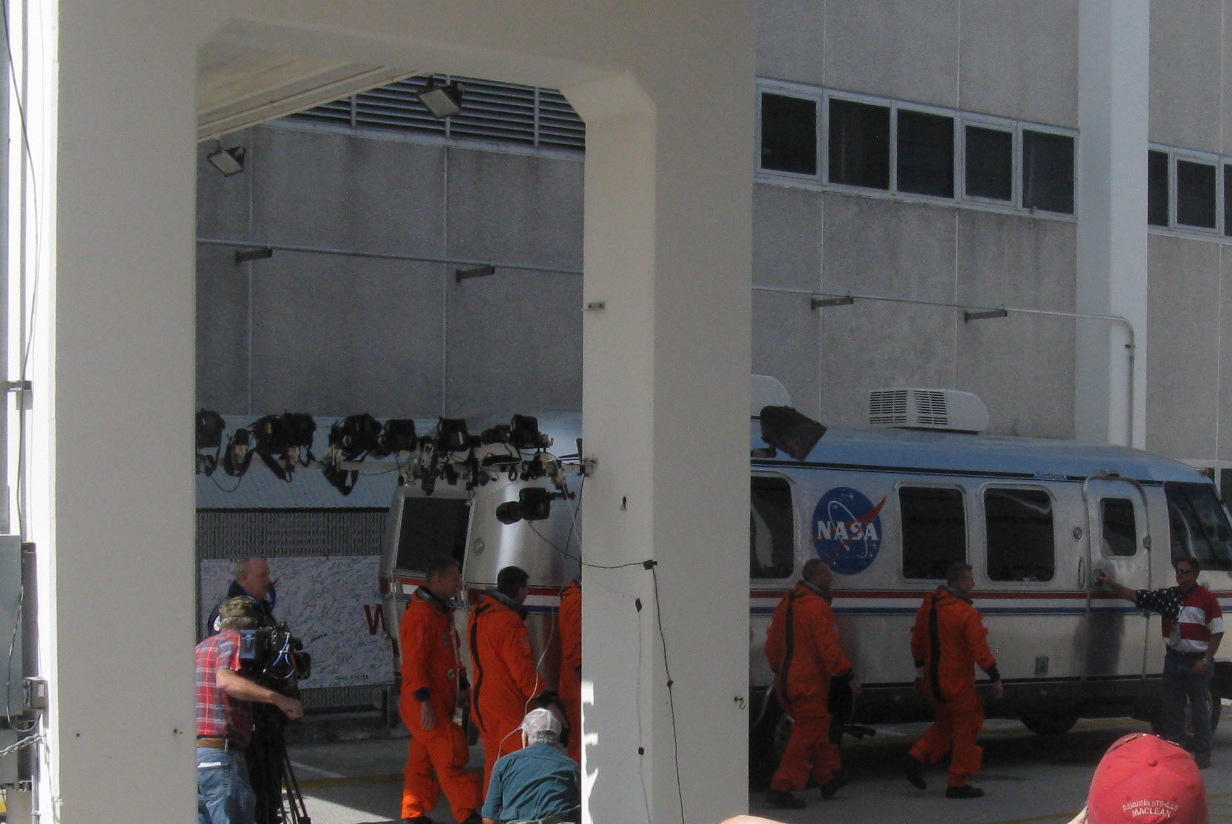 20 feet while they let the dogs go down the line sniffing for … weapons, I guess, although they’d probably not be too happy to find dope either.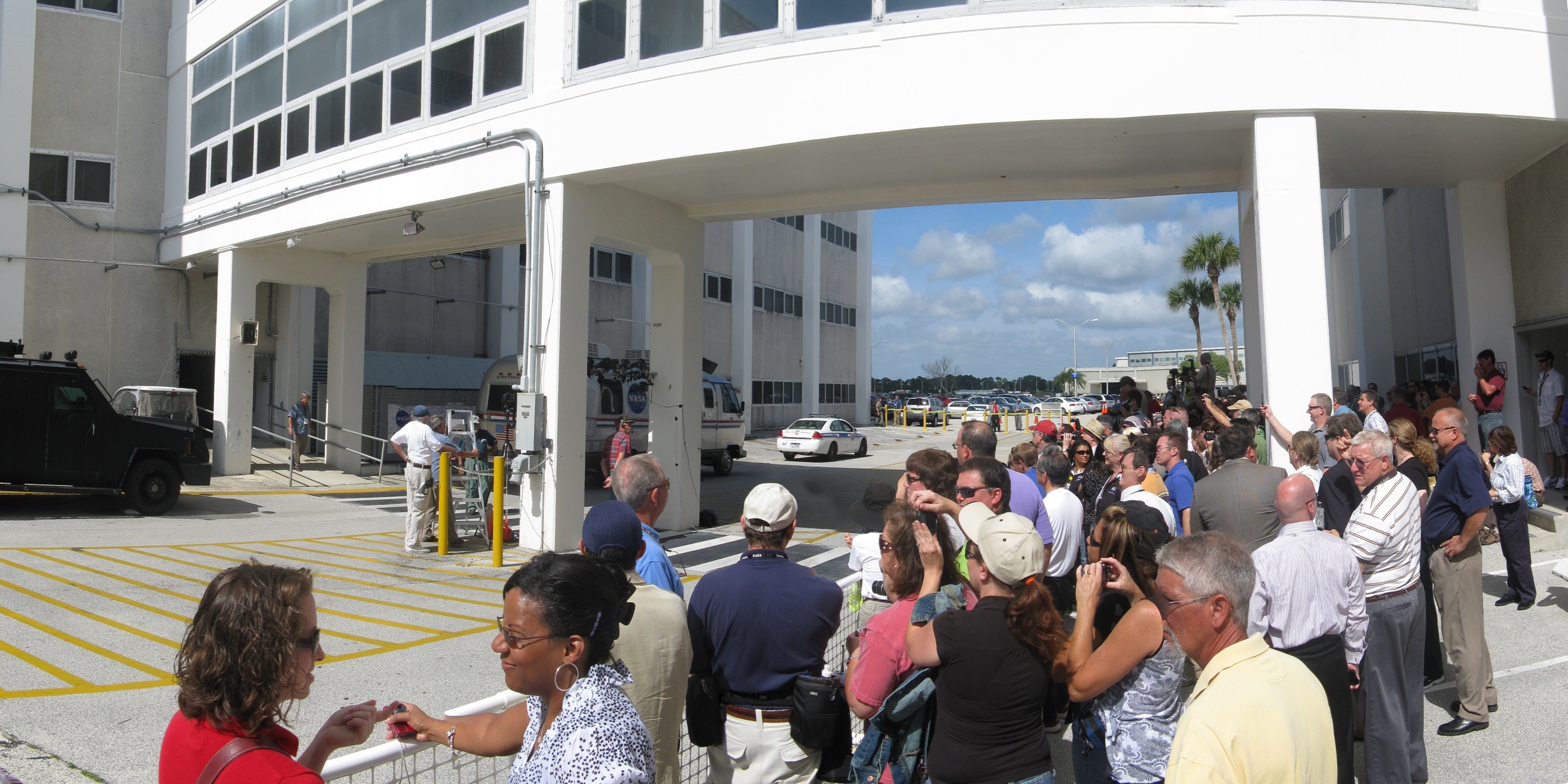
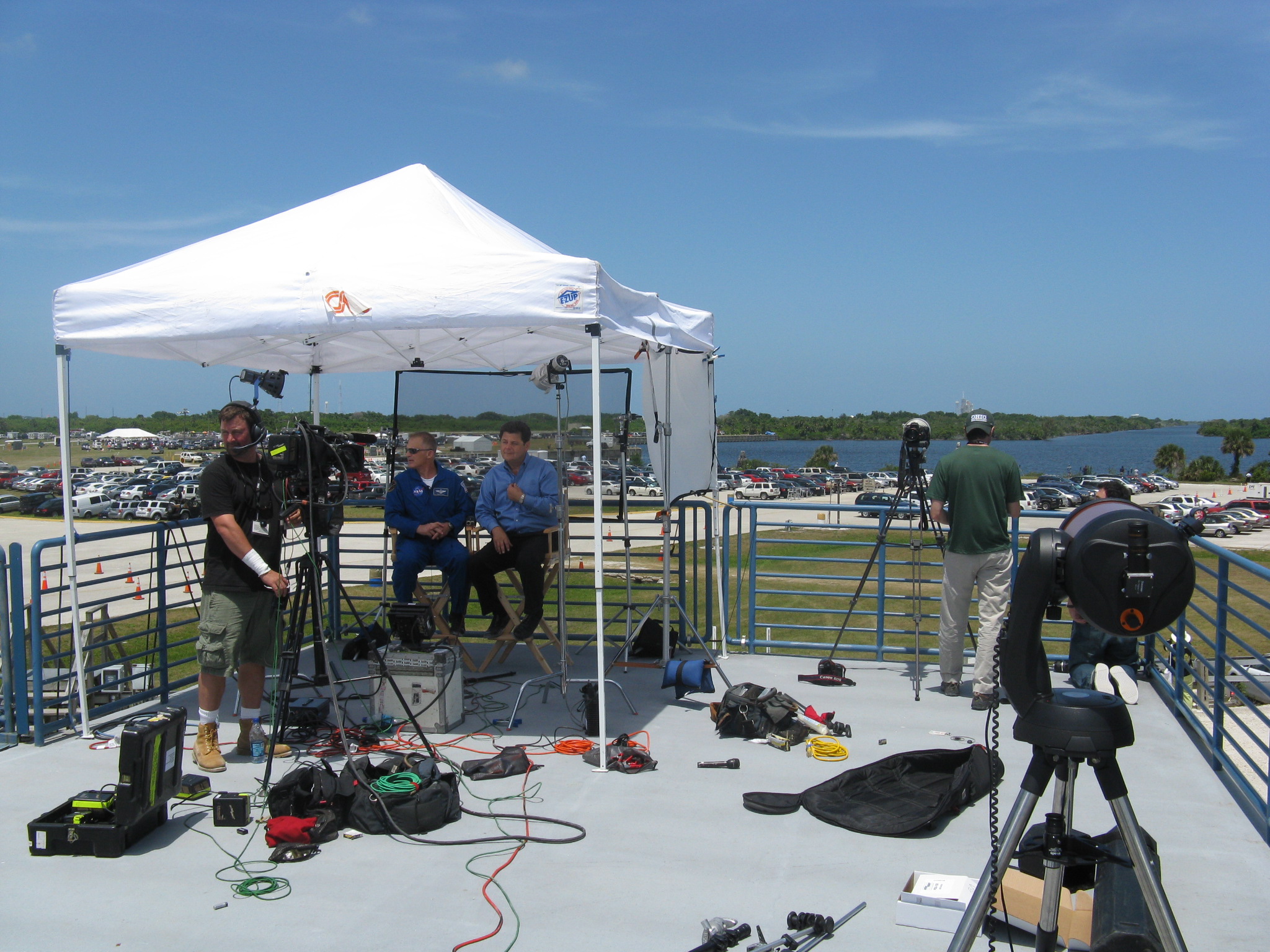 At one point my work colleagues interviewed NASA VIP Bobby Braun, and then just prior to launch astronaut Dave Wolf showed up to do on-air commentary with our reporter.
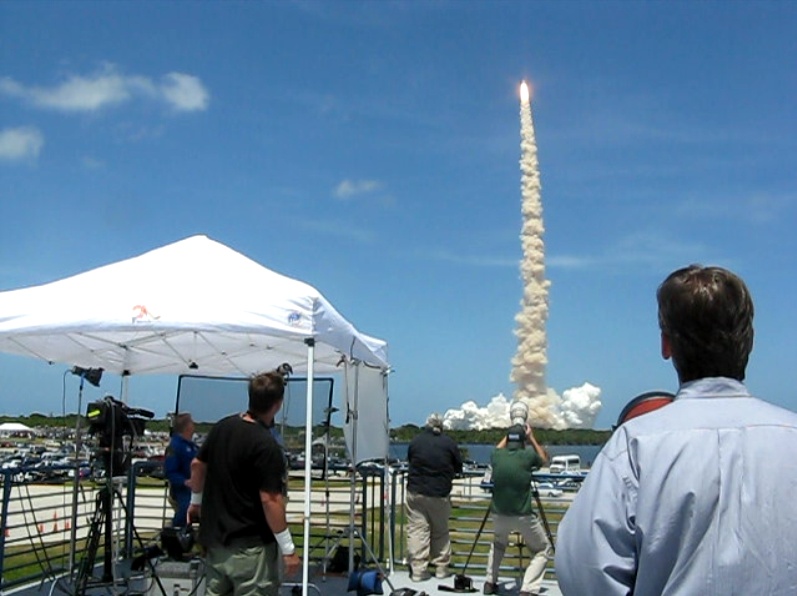 I’d brought my telescope in an attempt to track it on the way up. Tracking an object manually with a telescope (even a nice motorized model like the one I bought last year) is terribly difficult, because once you lose the object it’s very hard to get it back in view. Use of a finders scope (typically mounted on the side of the main telescope) is absolutely critical. I have one, that projects a virtual dot on the sky using an LED and a special lens, however I had made the unfortunate mistake of leaving the thing switched on. So at the moment of truth, 2:20pm, when I went to use it to track the shuttle racing up through the sky, the battery in the finder scope was dead. Damn it. I tried for a few seconds to catch it with the telescope and then gave up and just watched the launch with naked eyes.
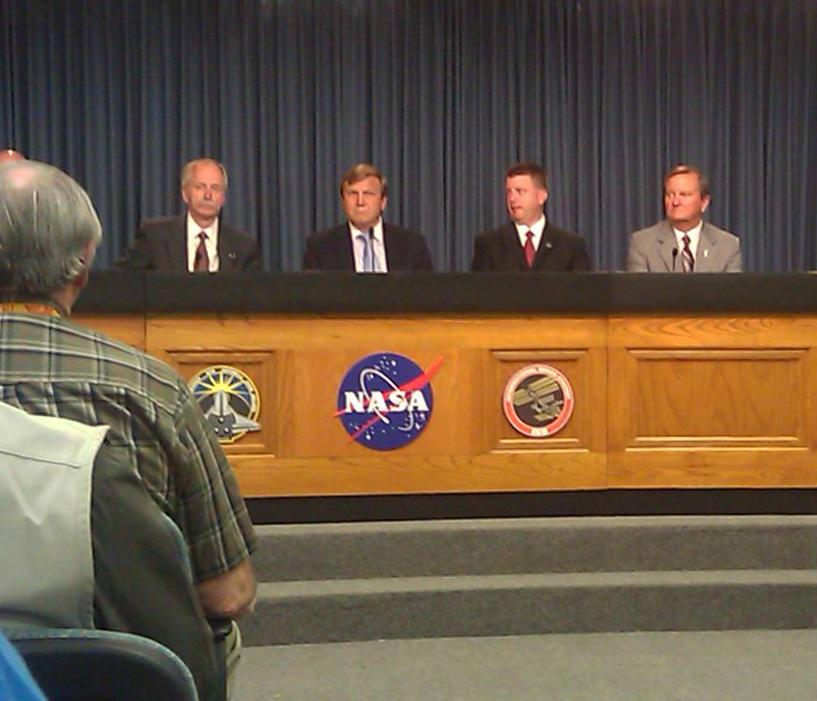 Spun the car around and headed back in and got into the briefing room just in time to catch the briefing 🙂
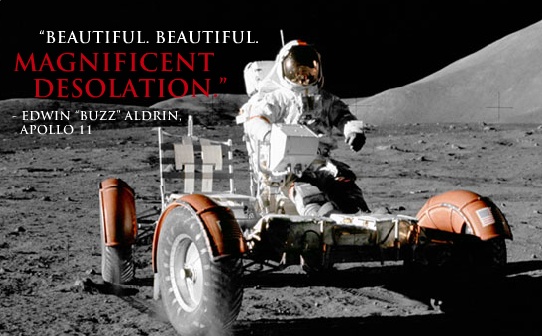 The Hubble movie I’d seen already (via long drive down to Columbus!) but wanted to see again just to catch more detail; it’s actually not that great of a production in my opinion, but I’ve been spoiled by watching the May 2009 STS-125 mission progress live at work and also the daily highlights in HD. But the other movie, Magnificent Desolation, is fantastic! (tagline: “Only 12 men have walked on the moon. You’re next.”) The general idea is to reintroduce young audiences to what exactly Apollo was, and so what they did was incorporate actual lunar surface footage with really stunning simulations of the lunar surface. In IMAX it is truly breathtaking. Go see this if you can!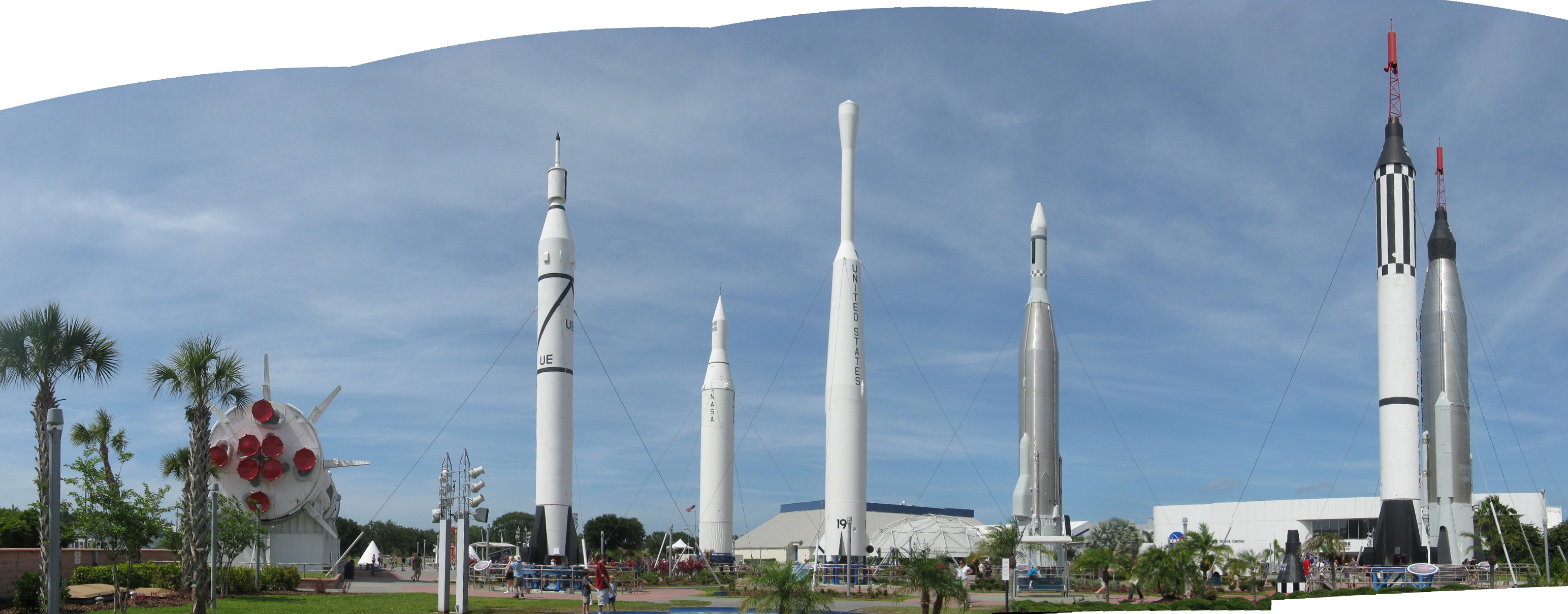
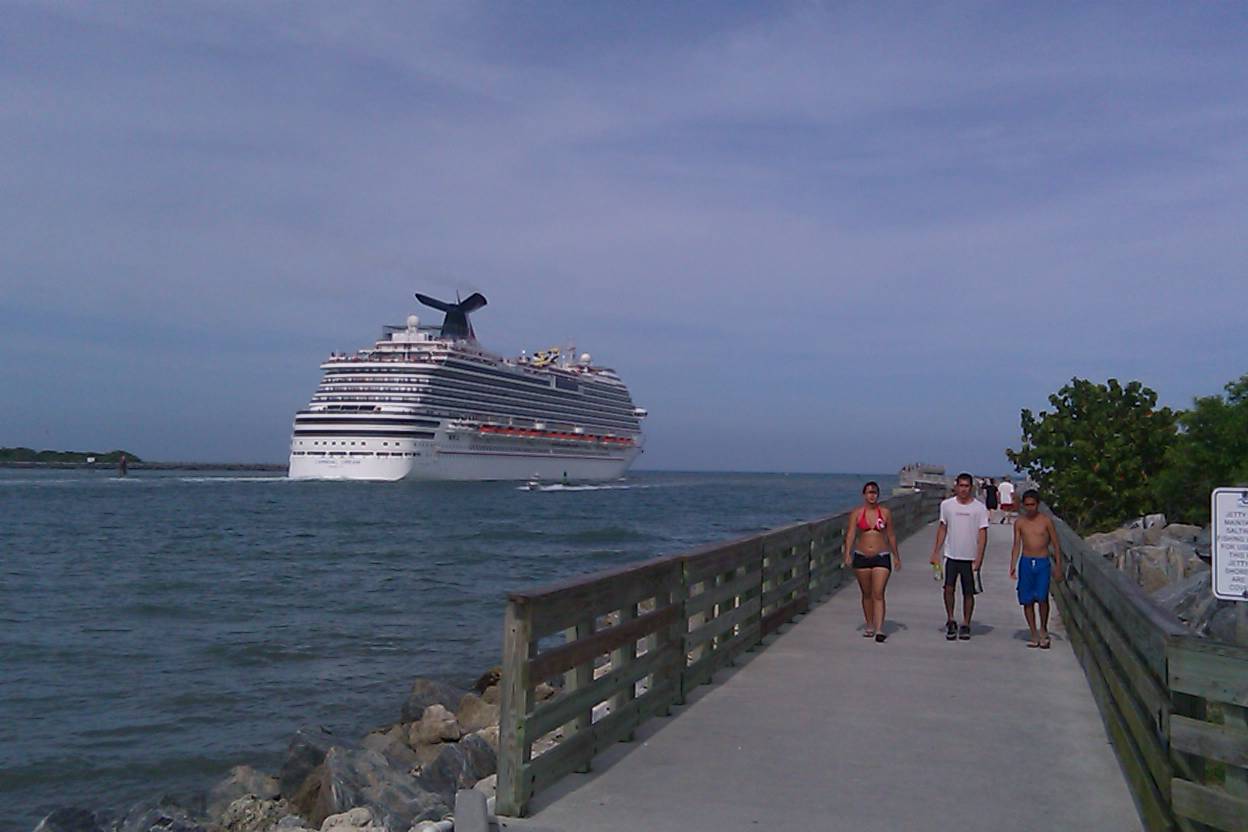 There are cruise ships heading in and out of Port Canaveral all day long, and an unbelievable number of people all hanging out on the jetty and the beach nearby, apparently just enjoying the sun. It was actually crowded (and noisy) to the point of being claustrophobic, probably because it’s a free beach with easy access. Avoid Jetty Park.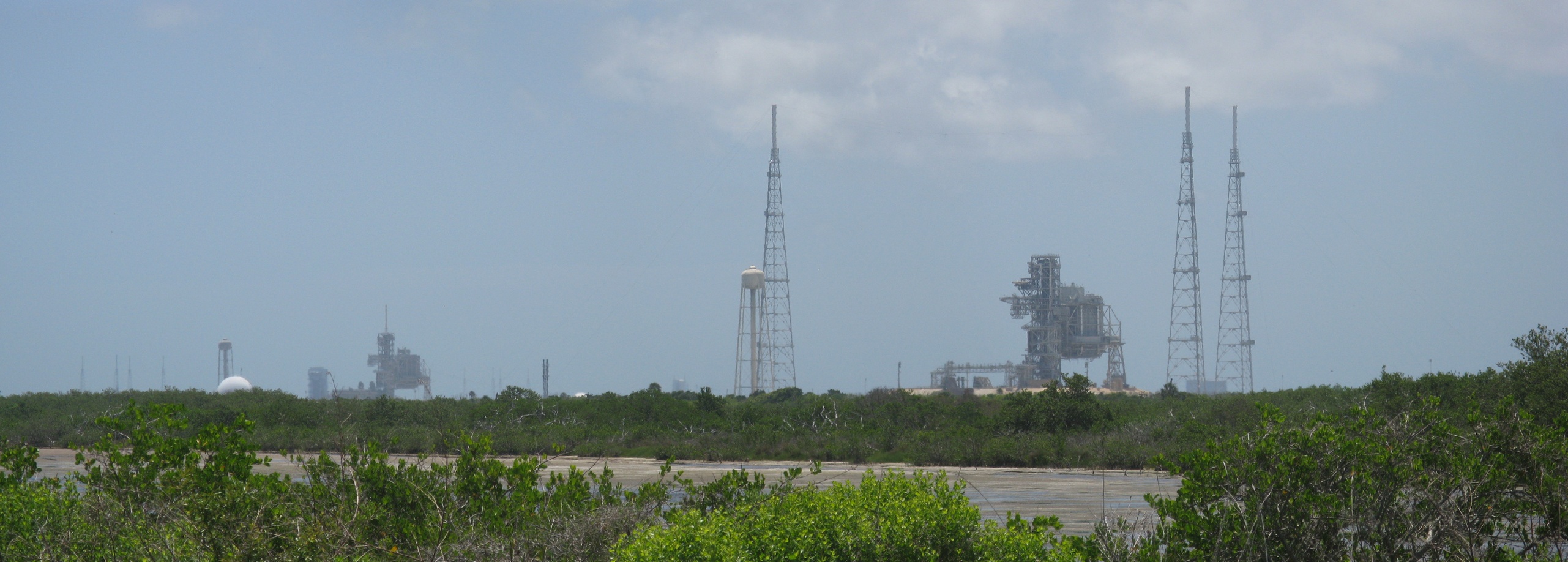
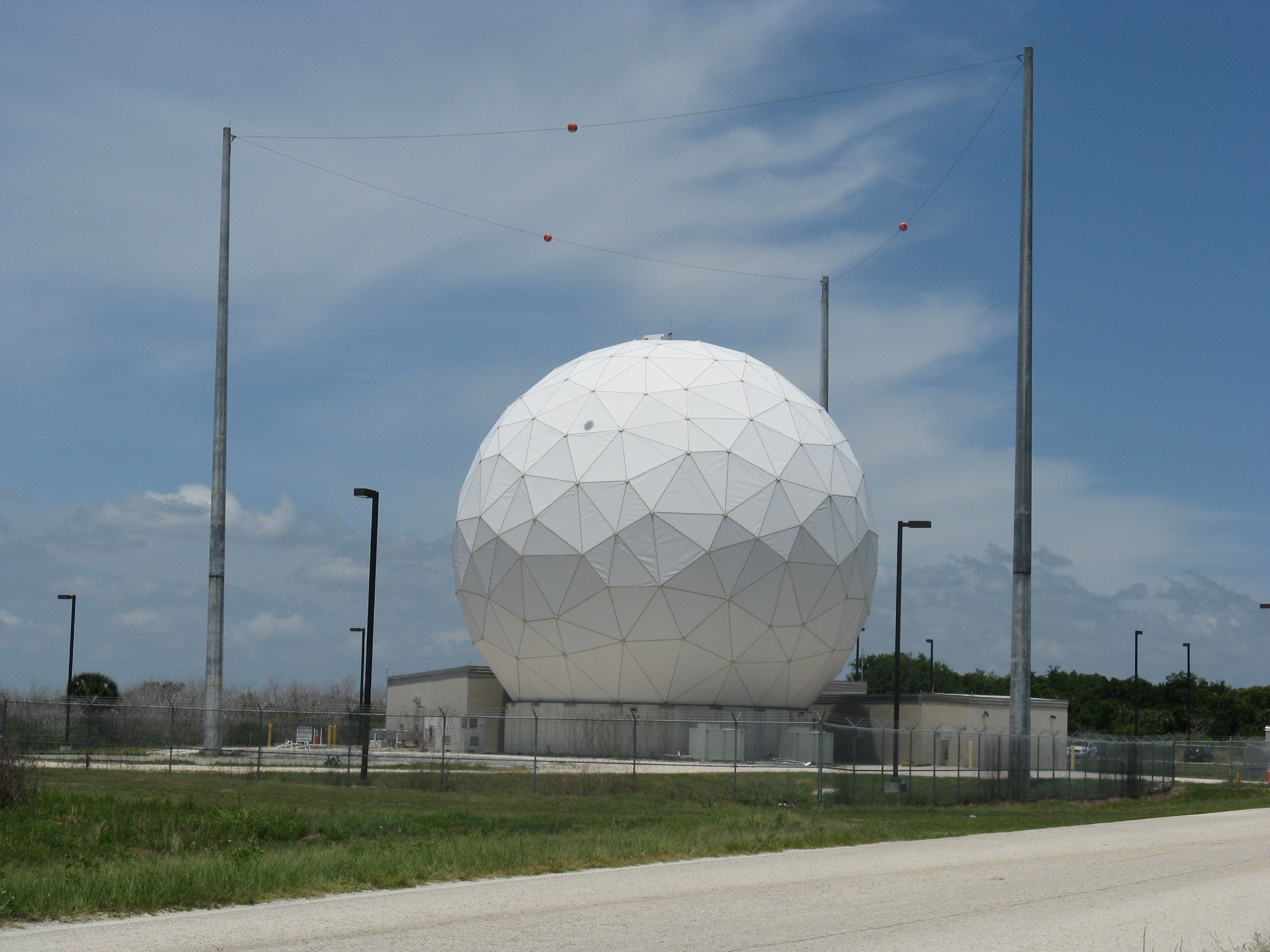 Here’s an excellent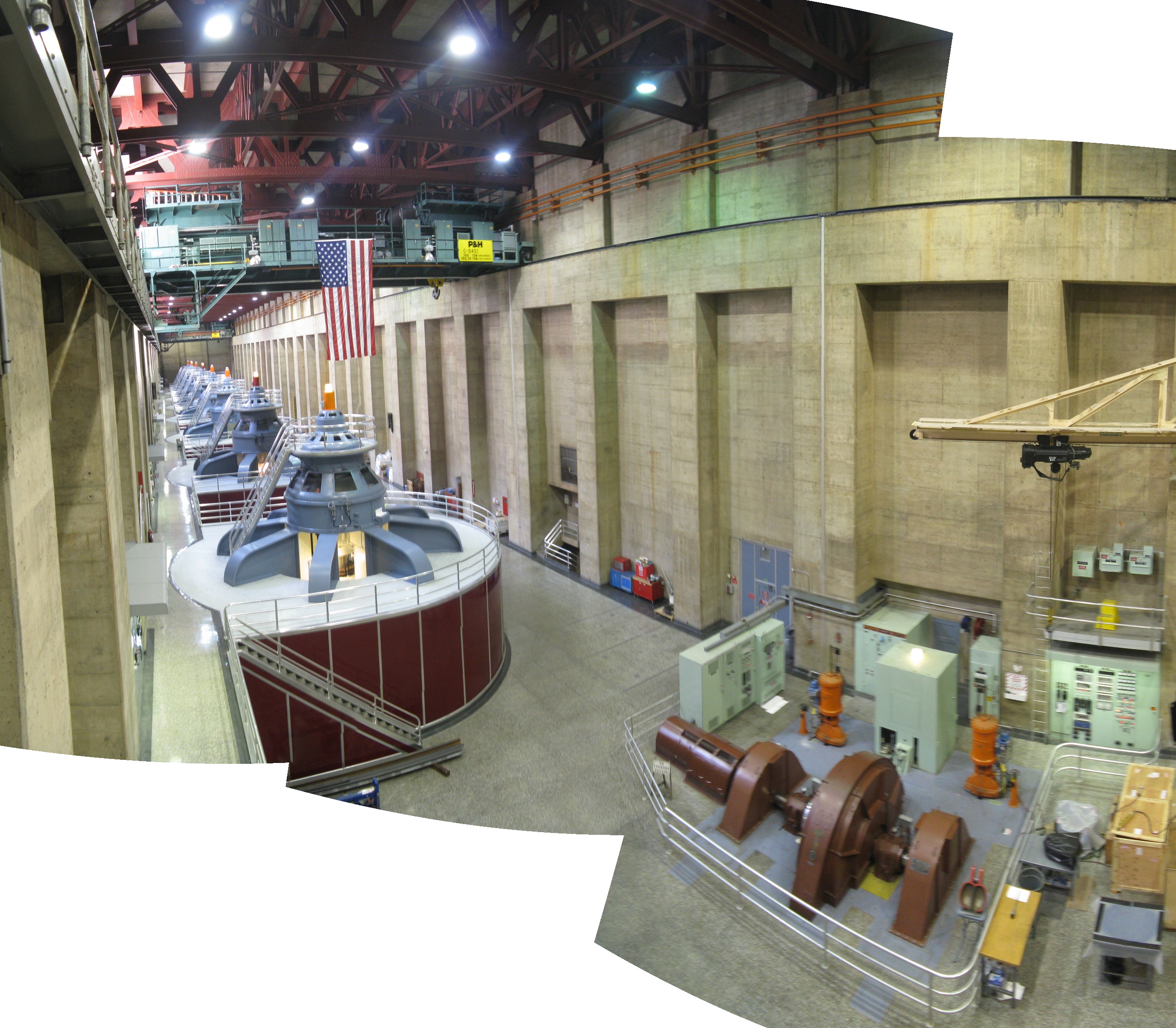
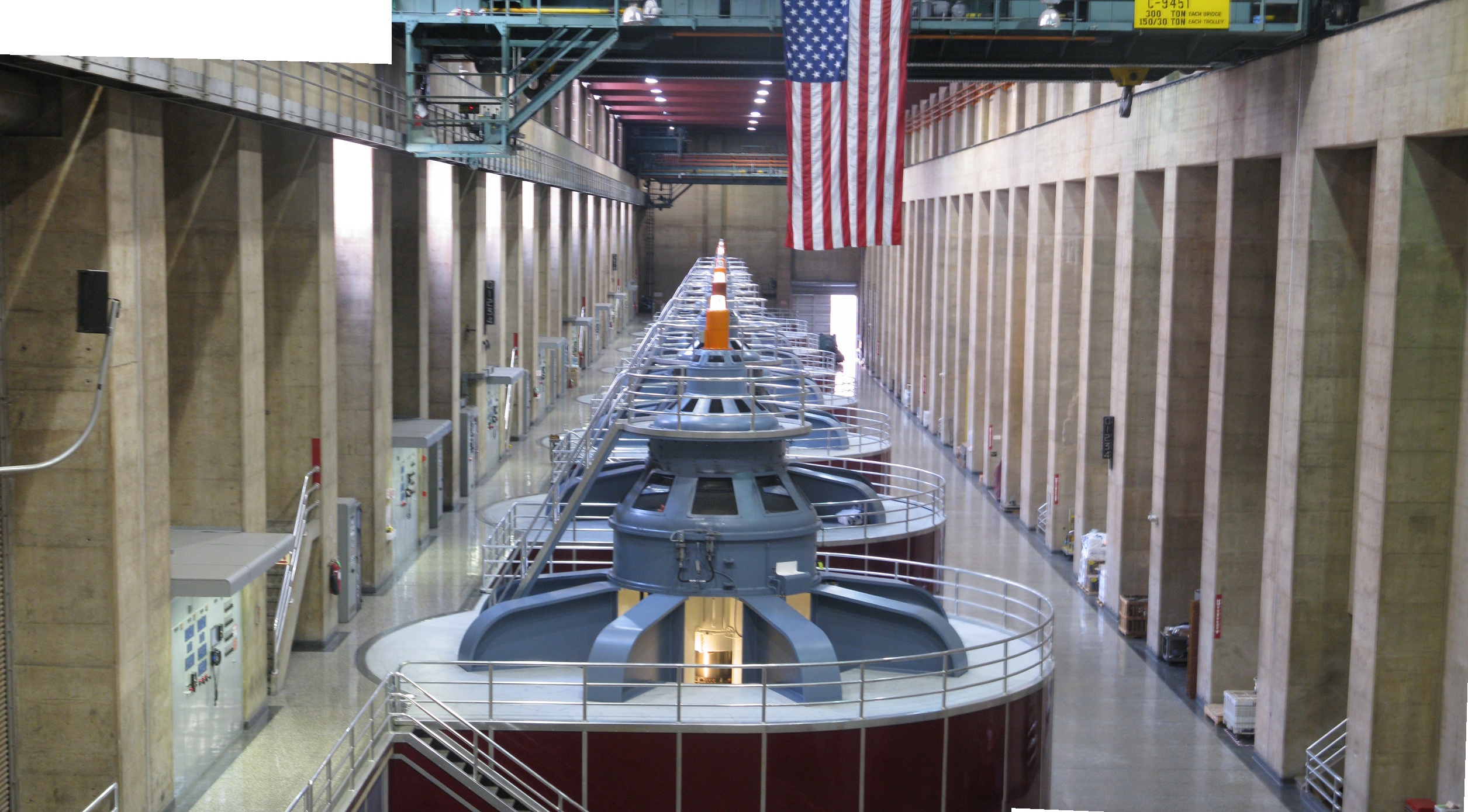 Another view. These are both actually slightly blurry. I keep forgetting to bring my tripod on these trips, although I don’t know if I would have been allowed to carry it on this tour anyway.
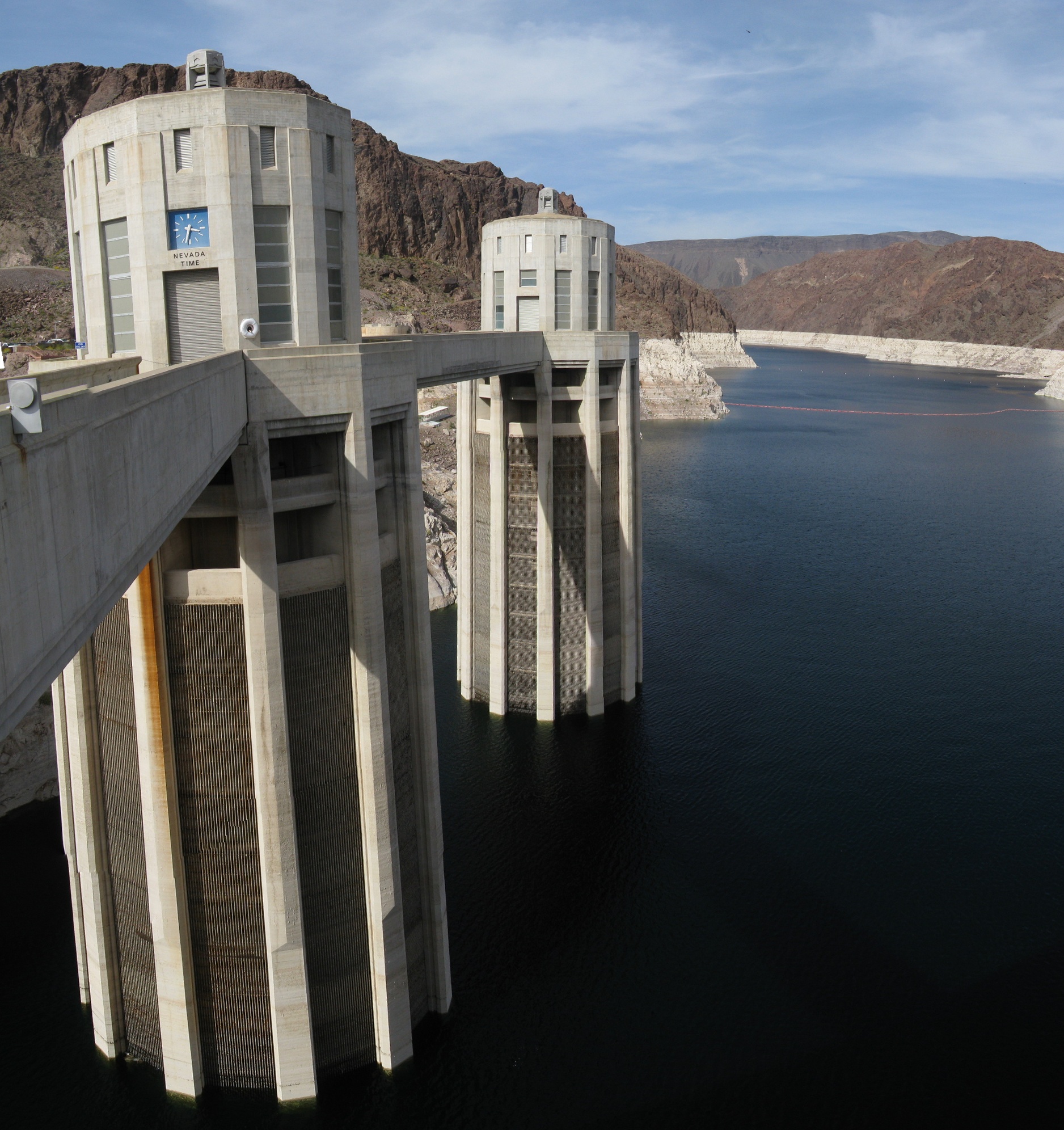
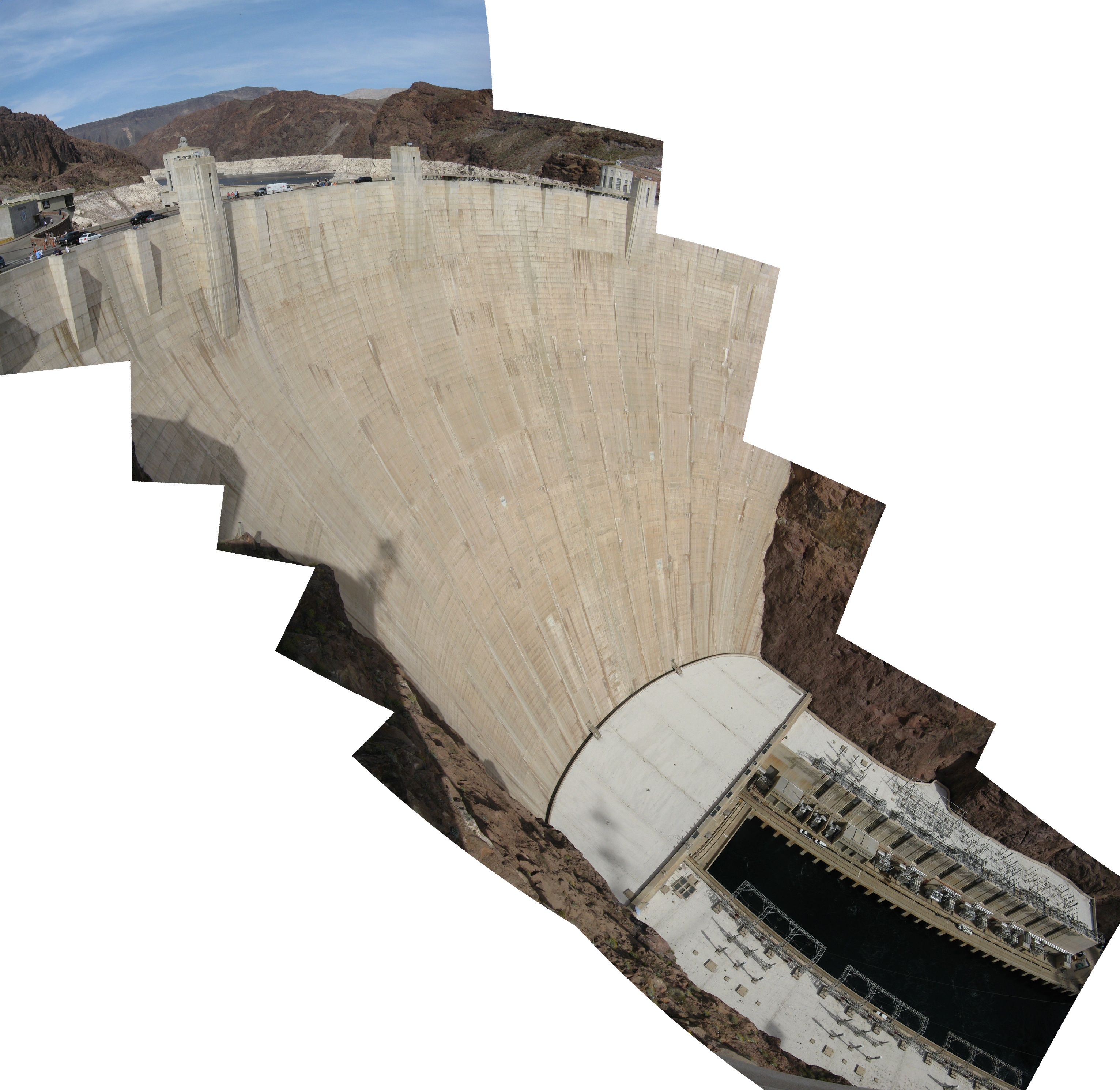 Here’s an establishing shot — obviously a panorama stitched together from many individual photos. The turbine generators pictured above are inside the buildings at the bottom of the dam — in this case, we were inside the building closer to us in our vantage point here, to the side (west) of the dam.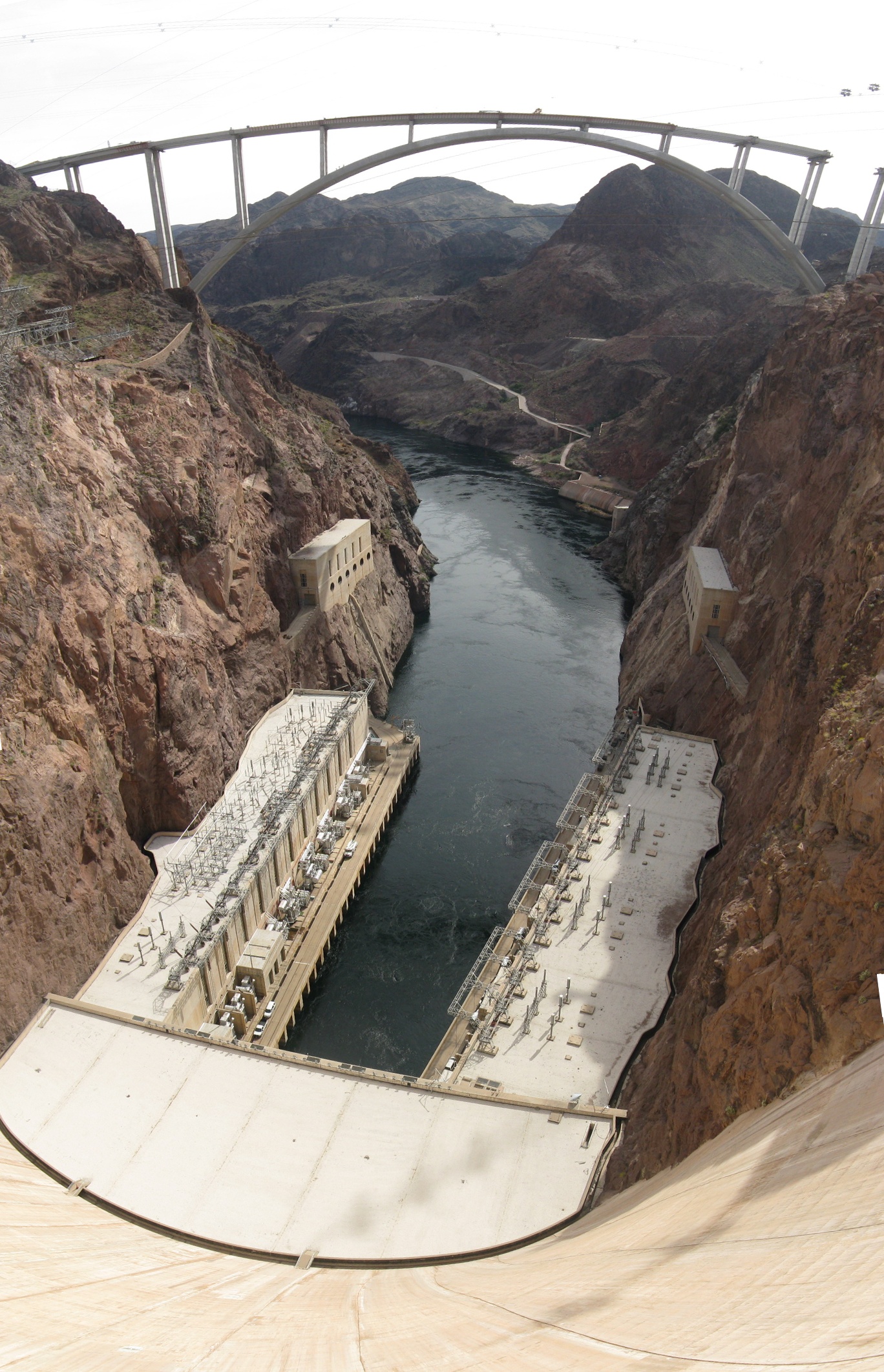
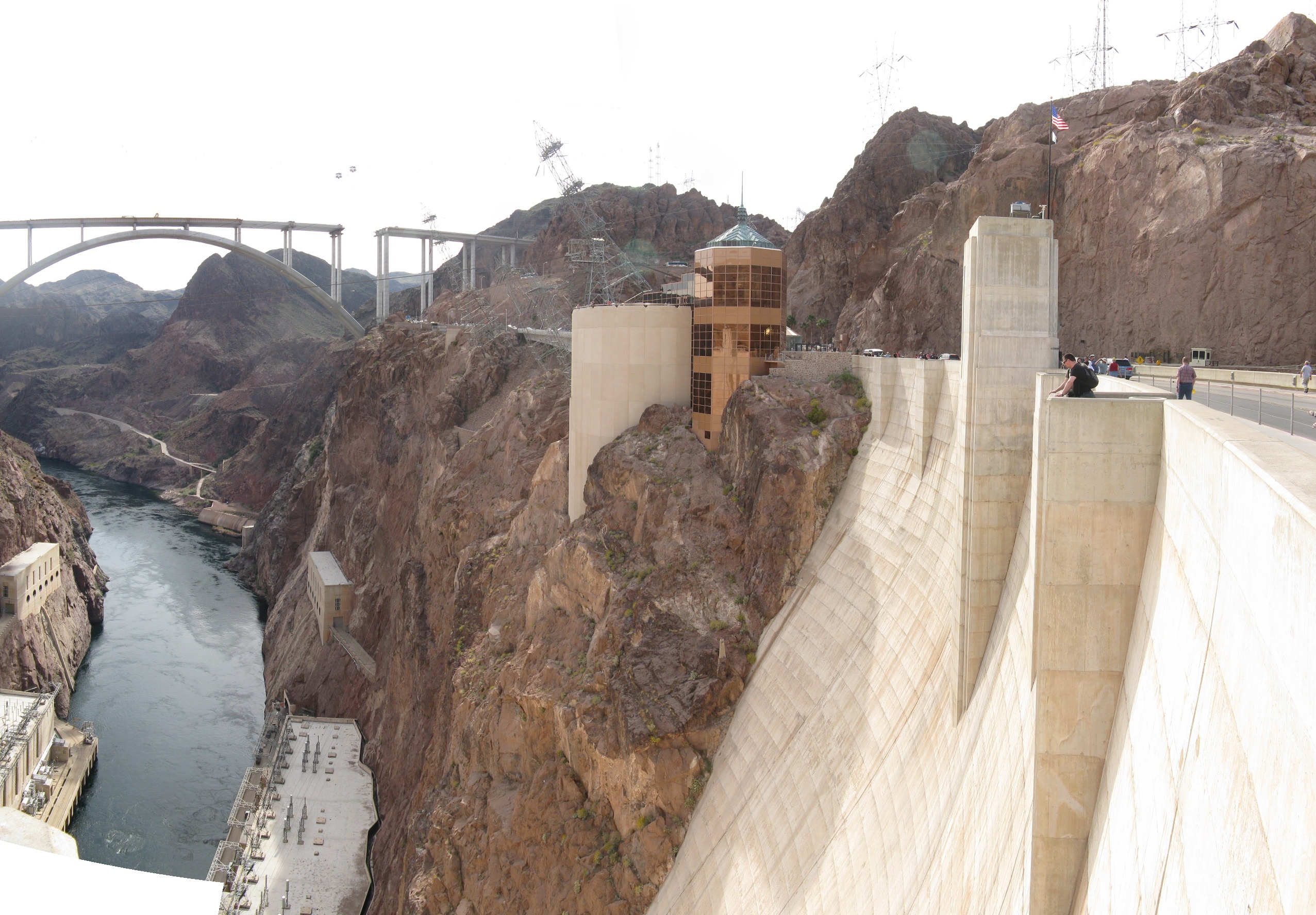 The golden building built into the face of the cliff is the dam’s visitors center. And behind it you see one of the electrical transmission line towers. It’s leaning over like that because the wires from the left are flying up from below, from the turbine generator building at the bottom of the canyon. In the distance you see the bridge, which within weeks will probably have the last girders finally in place to span the river.
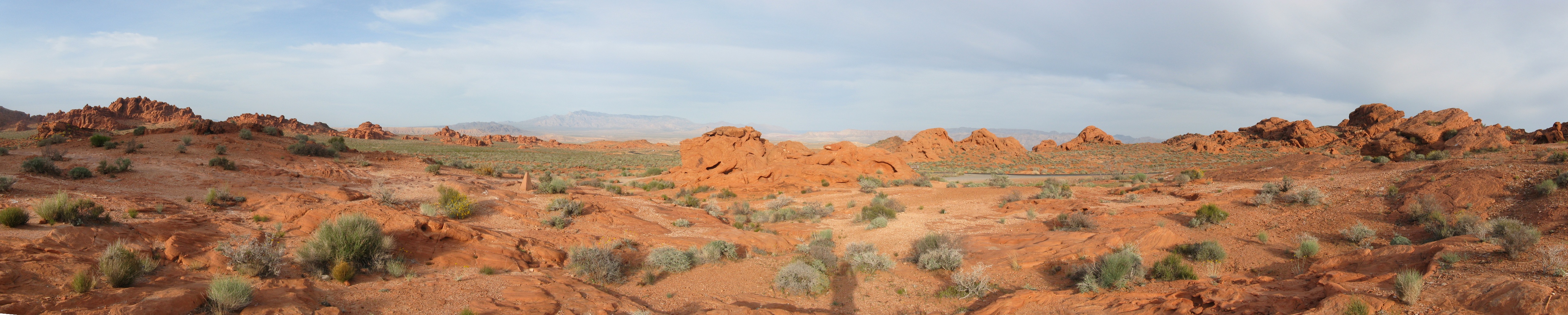 Climbed up a hillside near the entrance to the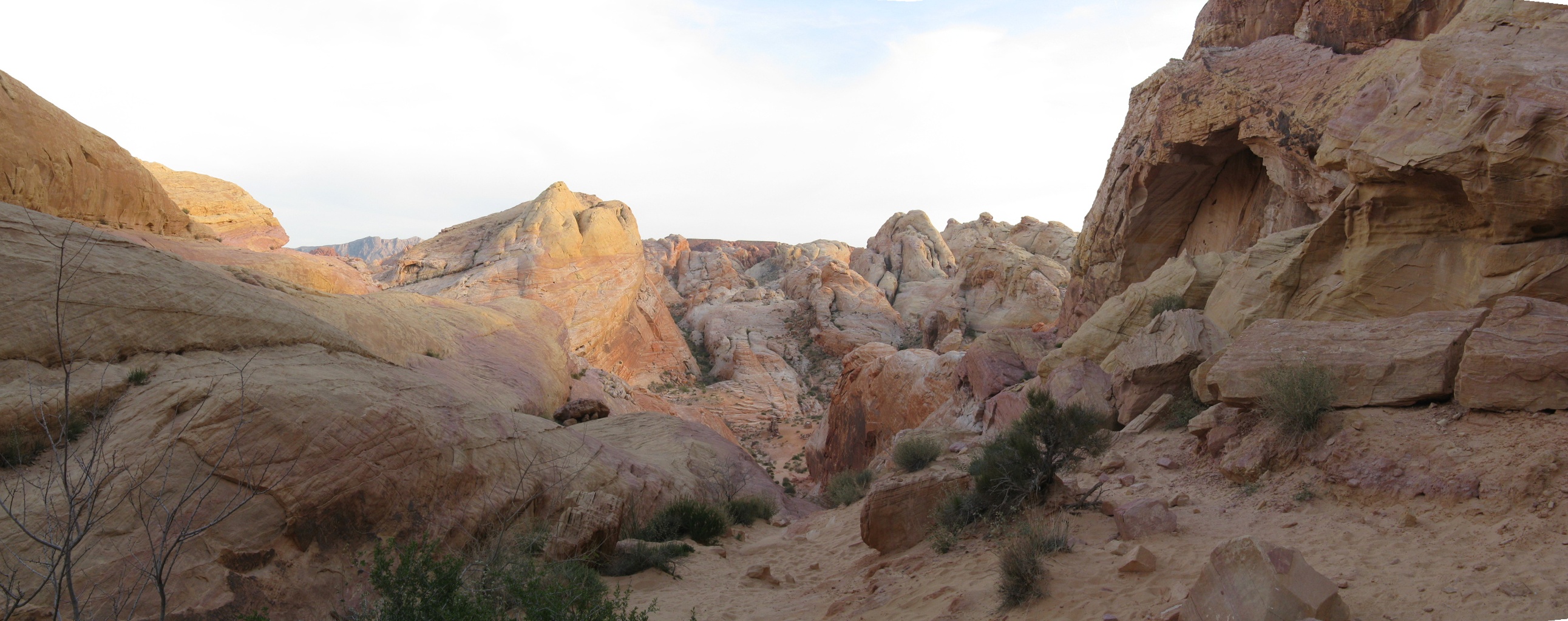
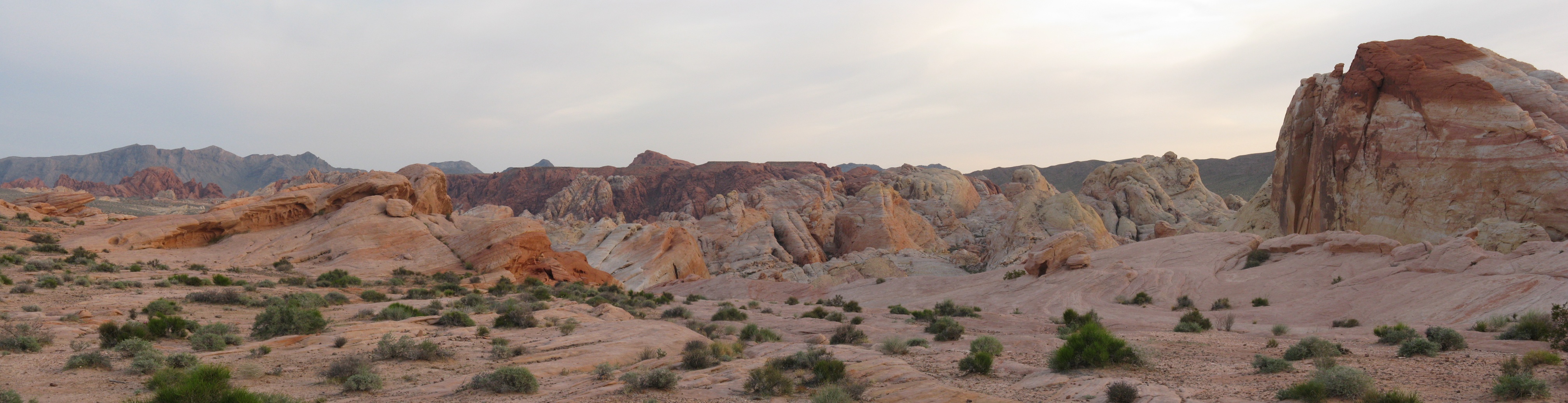 One final parting view before we hit the road for the long, desolate drive back to Vegas.
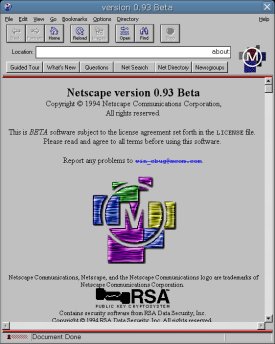 All this electric vehicle activity is very reminiscent of the internet buzz in 1992-1994. That was well before nearly anyone reading this had heard of the internet, much less actually used it (I got into it in mid 1993), but some of us were there and could see the tidal wave coming. I think what we’re seeing here with the Tesla Roadster is like UIUC/NCSA’s Mosaic, and this fall we could be seeing the equivalent of the Netscape browser that would storm the world in early 1994. The mystery is to what extant the GM Volt or Nissan Leaf will catch on; and keep in mind that both will be in limited production for the first year. Will the GM Volt be analogous to Internet Explorer, with bugs and broken standards but backed by an enormous marketing operation and a corporate behemoth prone to dirty tricks? I think the analogy falls apart there, and in fact right now it’s looking like GM is playing its cards right, engineering (promoting) a truly groundbreaking car. Certainly by late 2010, with both the Nissan Leaf and GM Volt coming to market, all this is going to start getting a lot more attention in the mainstream media and public mindshare in general.
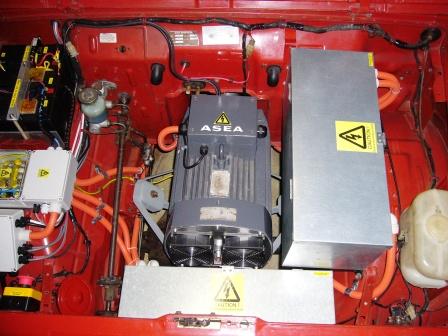 An interesting concept that I came across: gasoline engines are so wildly inefficient (i.e. waste heat) that those cars are less sensitive to other inefficiencies such as aggressive driving, high speeds (wind drag), operating all the accessories, etc. Electric motors are far more efficient, so when you size the motor to the car, you actually end up with less margin for all the other things — you have less of a monstrous energy wasting machine to throw around. So you become more sensitive to things like driving behavior affecting your range. Also, this means that the impact of all these EVs to the electric grid will be less than I’ve written about (in Part 1). We wouldn’t need to convert all of those imported oil joules to electric generation and transmission — only 20-30 percent.
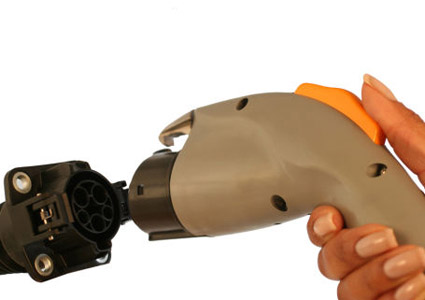 The biggest problem is, there are half a dozen different charge connector standards, such as the inductive paddles as used in the late/lamented GM EV1, or the conductive connector used by Tesla. Fortunately, all the major (current and future) makers of plug-in EVs last year agreed on a new connector standard, called SAE J1772.
  Which indirectly led me to this
  Plug In America is an organization that has been advocating for electric vehicles for a long time. these people are overjoyed to finally be seeing the fruits of their labors, with the first two mass-produced cars coming to market and countless more in the next couple years. Well, not countless, they are counting! They maintain an excellent
  Public charging stations for electric vehicles are starting to become more widespread, especially in California. EV Charger Maps maintains a crowd-sourced
  [see
[see 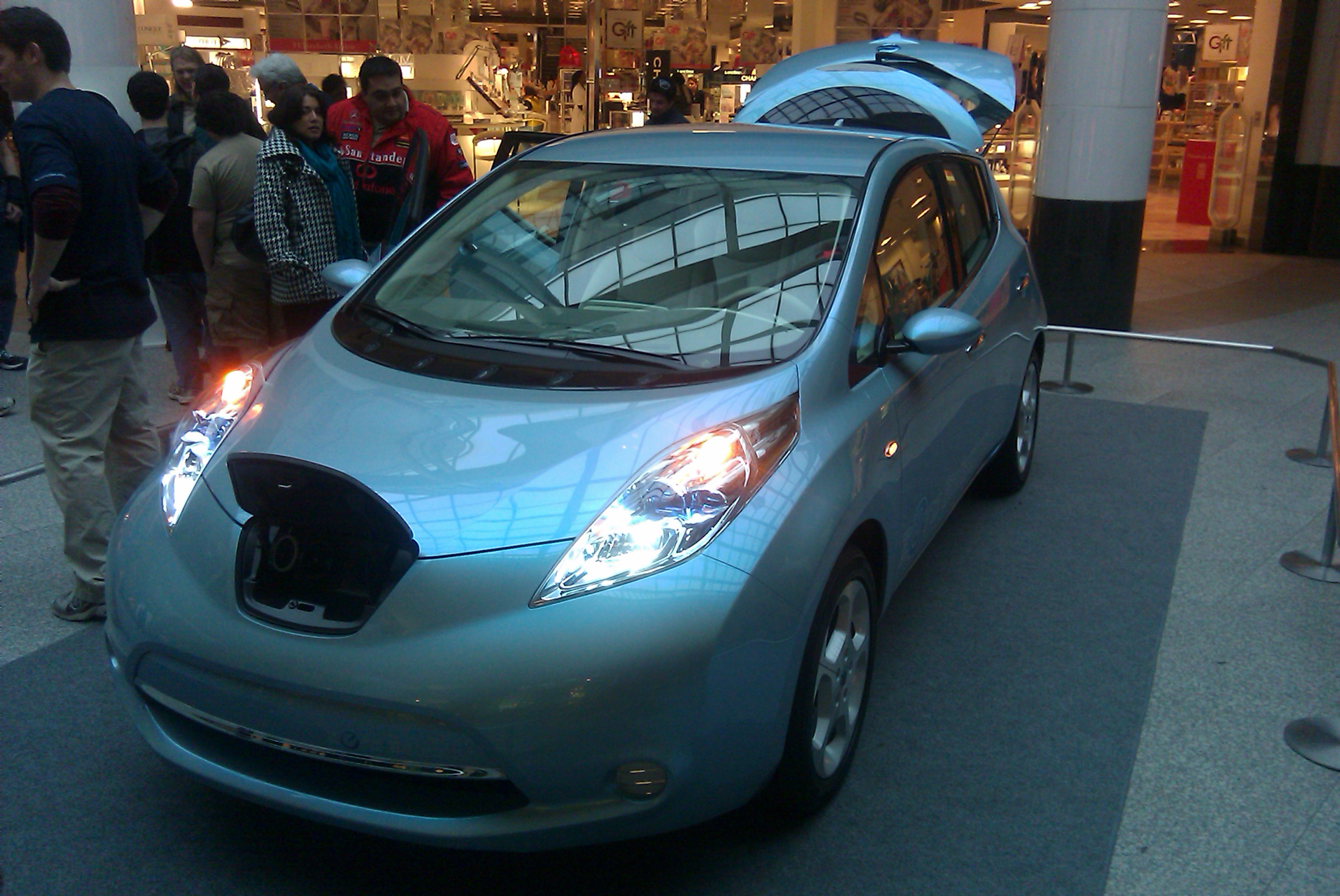 But that’s hardly the car for the average Johnny Paycheck. But by this fall, two new models will be in dealerships and in the hands of consumers and getting a ton of press: the Nissan LEAF and the Chevy Volt. GM is increasingly betting the farm on the Volt so you’re seeing it all over TV, in brand advertising and the inevitable gee-whiz TV reports about EVs and energy independence. But the Volt won’t actually be available for sale until November, and even then it’s going to be a limited launch in a few select markets (as I write this, those markets appear to be California, Michigan and Washington DC.)
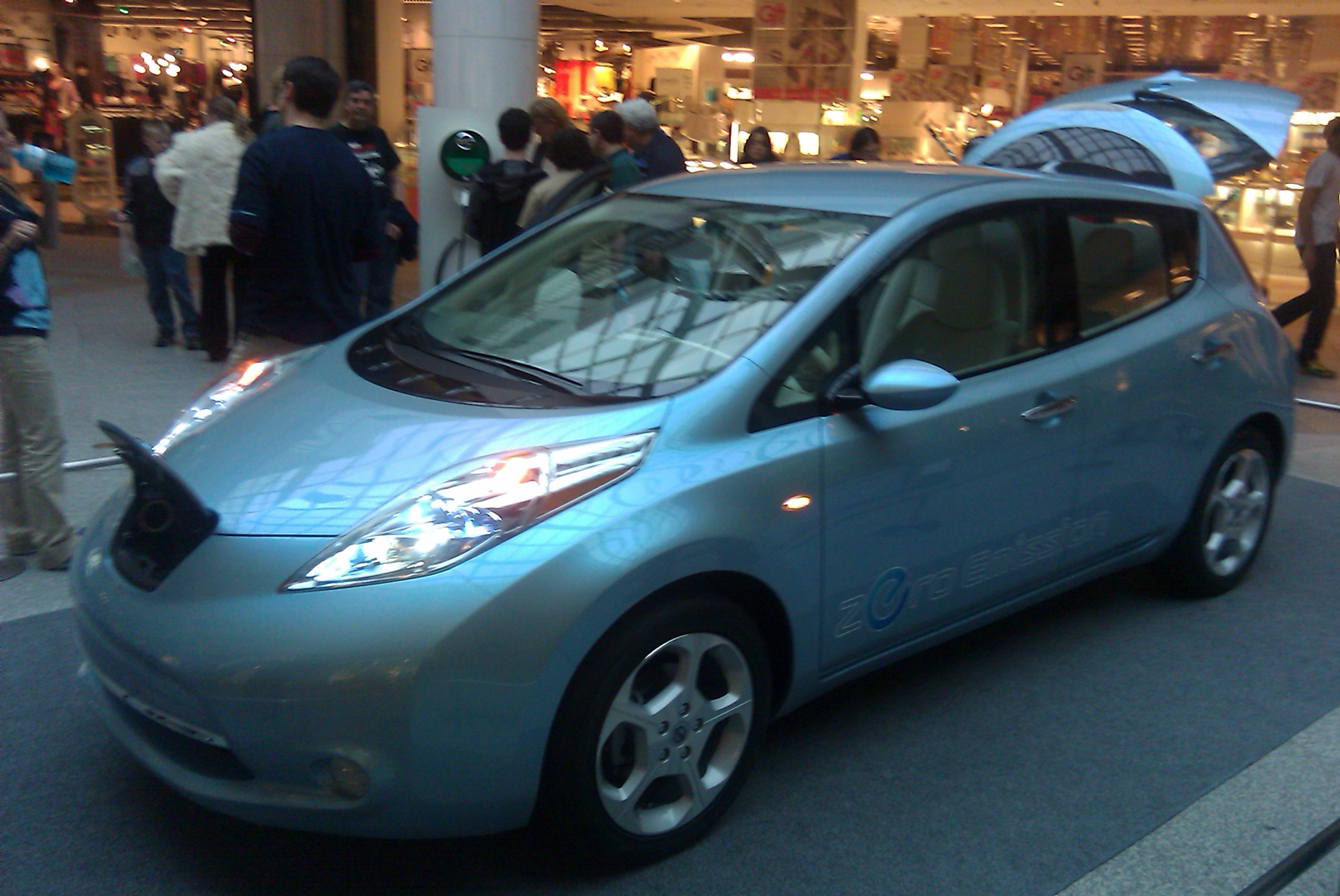
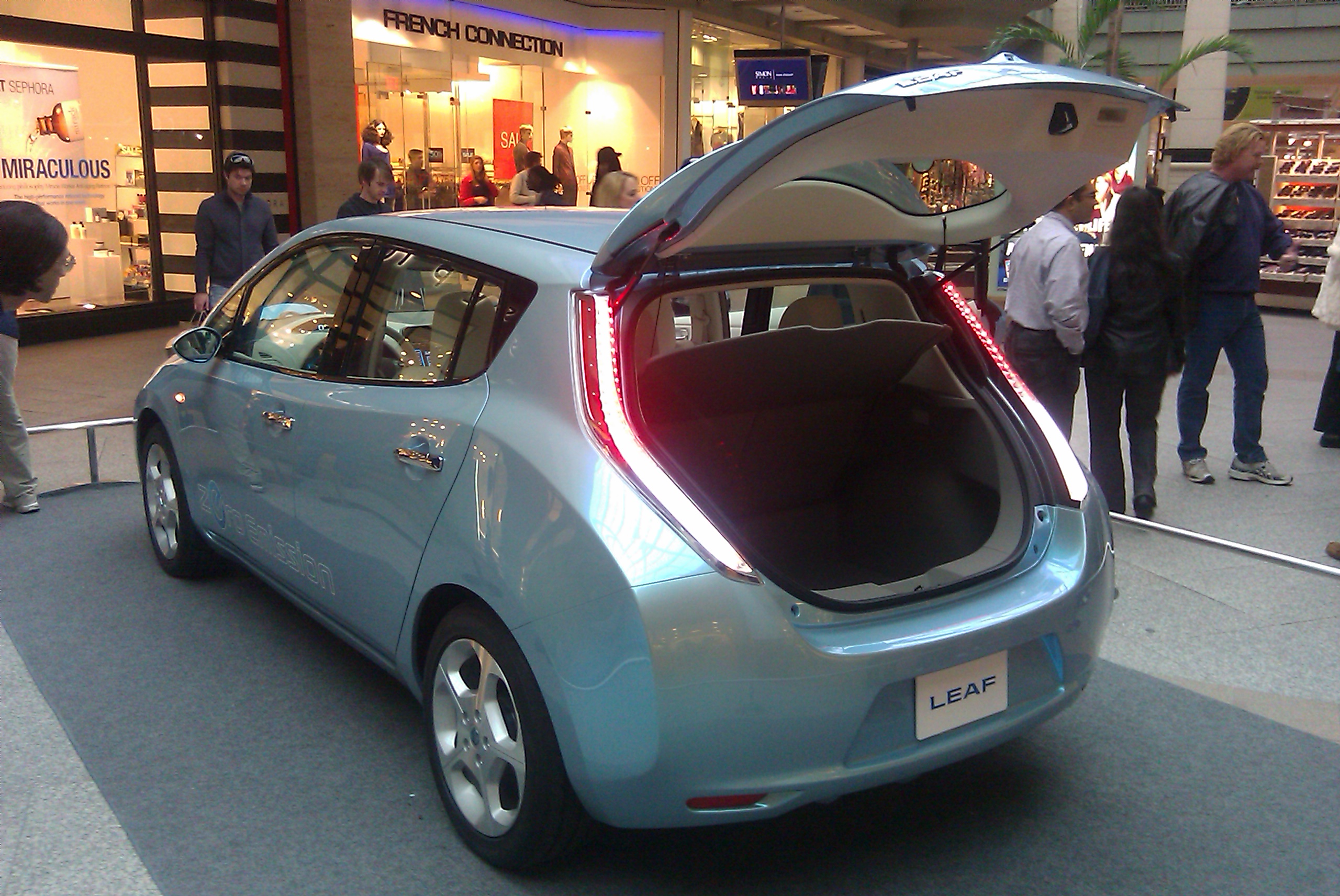 While the GM Volt was announced over three years ago, Nissan didn’t say a thing about their plans until surprising us just months ago (August 2009) with The Nissan LEAF. This is a pure EV — all battery and motor, no gas generator or gas tank like the Volt or other hybrid cars. It looks like a Versa, if you’ve seen that Nissan hatchback.
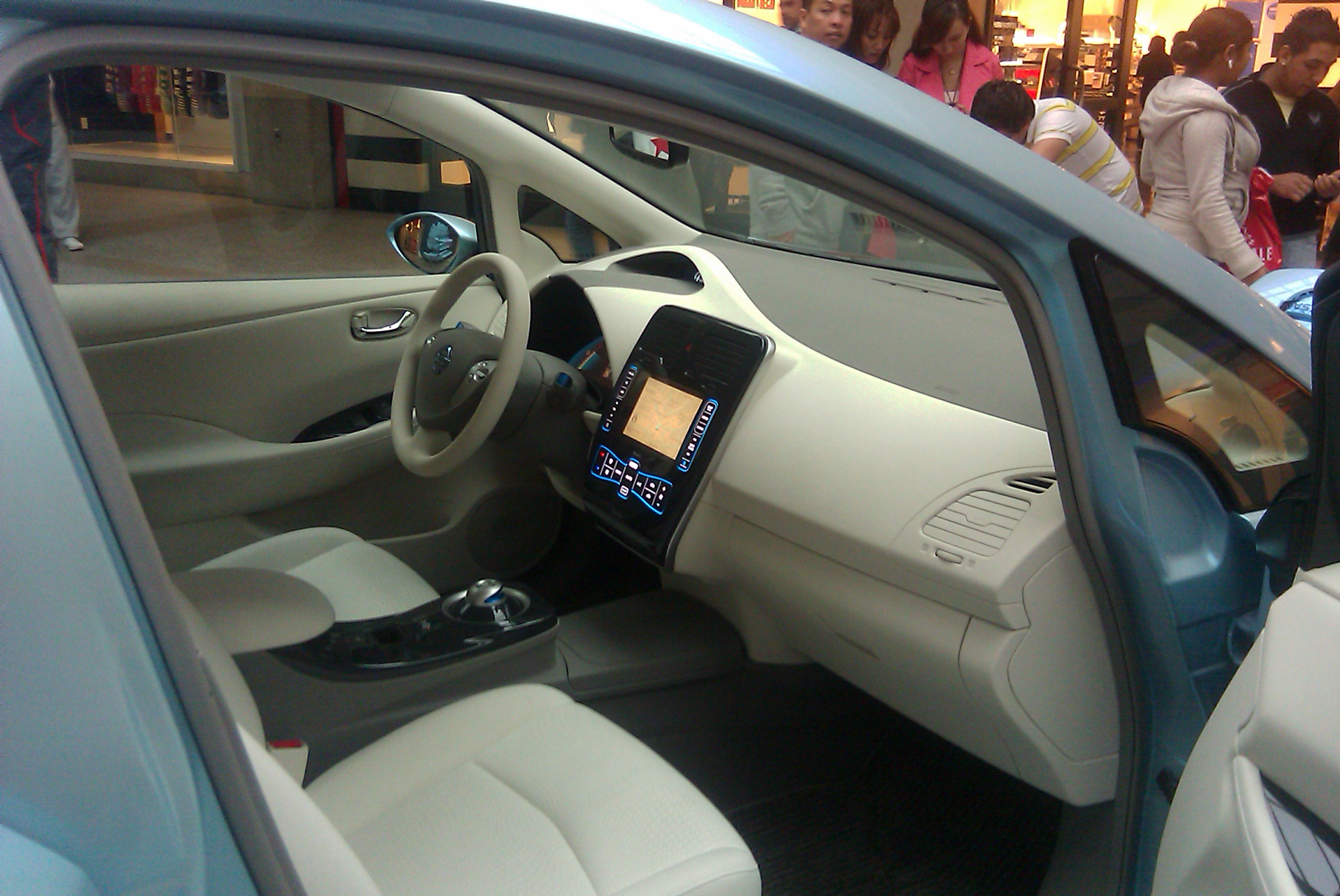 So the Nissan will be the next car to market, beating the Volt by a couple months, and it may come out in higher volumes and steal the show from the Volt. That said, it is a pure EV, with no “range extender” gasoline generator, so people are going to be swimming in “range anxiety” and frankly it’s not a car that you’re going to use for long trips, at least not for a few years until charging stations become far more widespread. The maximum range is 100 miles, after which it’ll need several hours to recharge. Right now this is typical for EVs.
 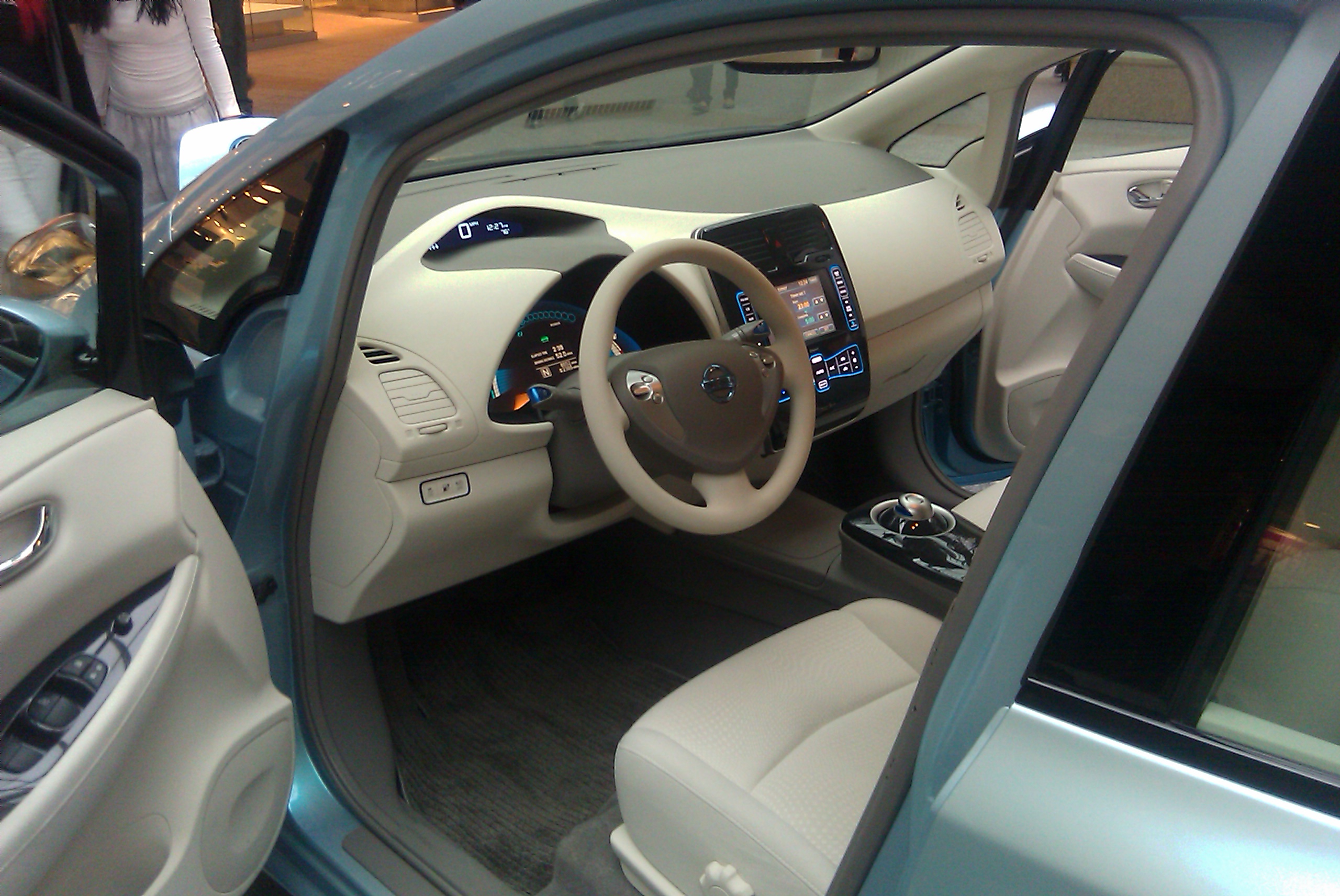 Nissan is doing a roadshow with this car, the “Zero Emission Tour”, and it passed through Atlanta last weekend. They had the car set up for viewing in Lenox Mall, with a posse of young shiny PR droids standing around smiling and answering questions. You couldn’t actually touch the car, much less get in it — they had it roped off. But you could get a good look at it and see that this thing is real and it’s coming.
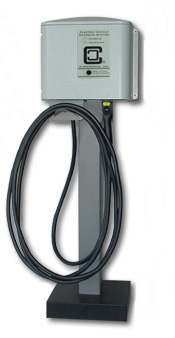
 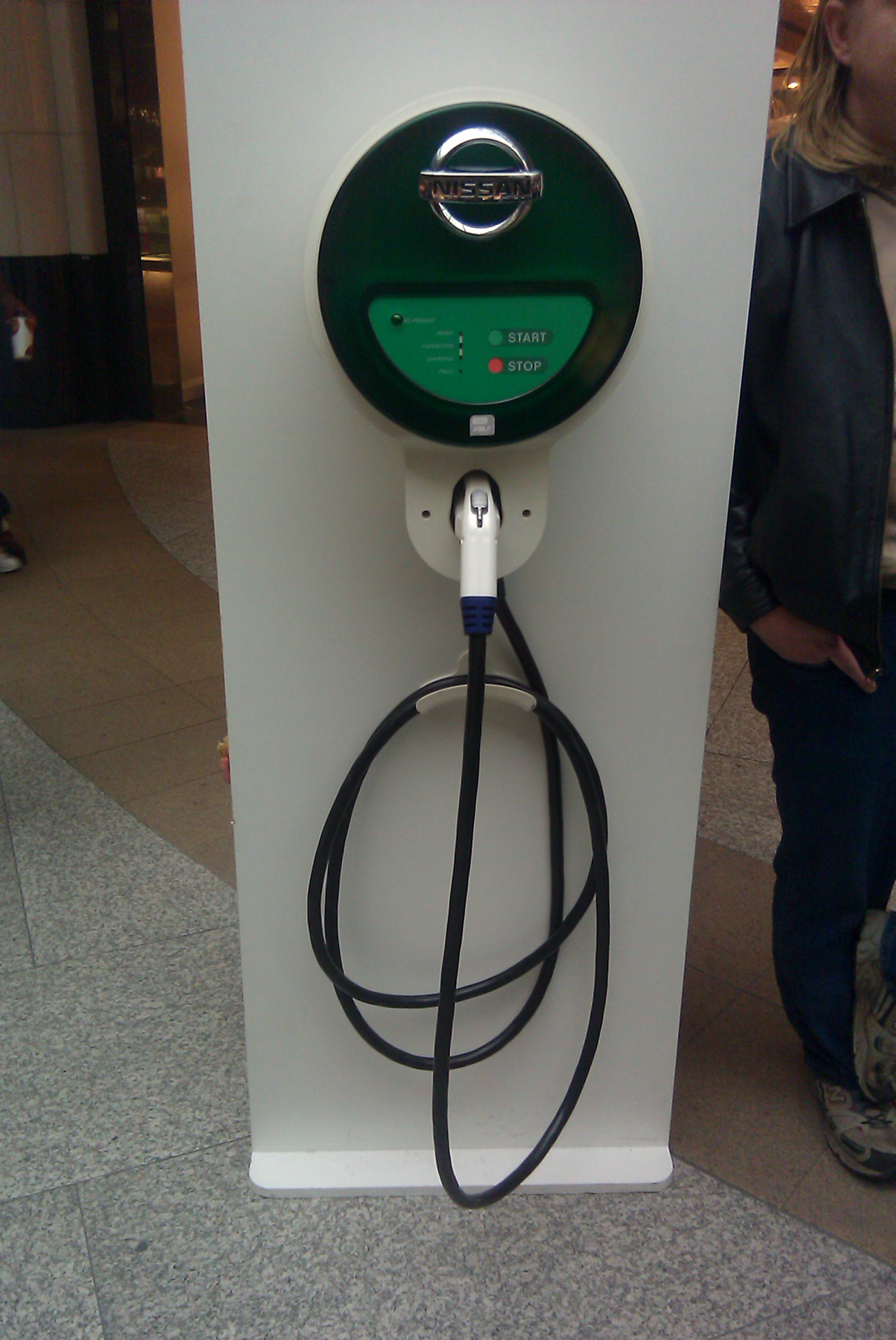 They also had a charger stand. This is the thing that you’d have mounted in your garage, wired to your house power like a clothes dryer or electric oven. The “nozzle” plugs into the charging port in front of the car. Typically you’d leave it plugged in overnight and have it all charged up for you in the morning, ready for up to 100 miles of driving. The cost of electricity is nearly negligible, say a dollar or or two for a fill up.
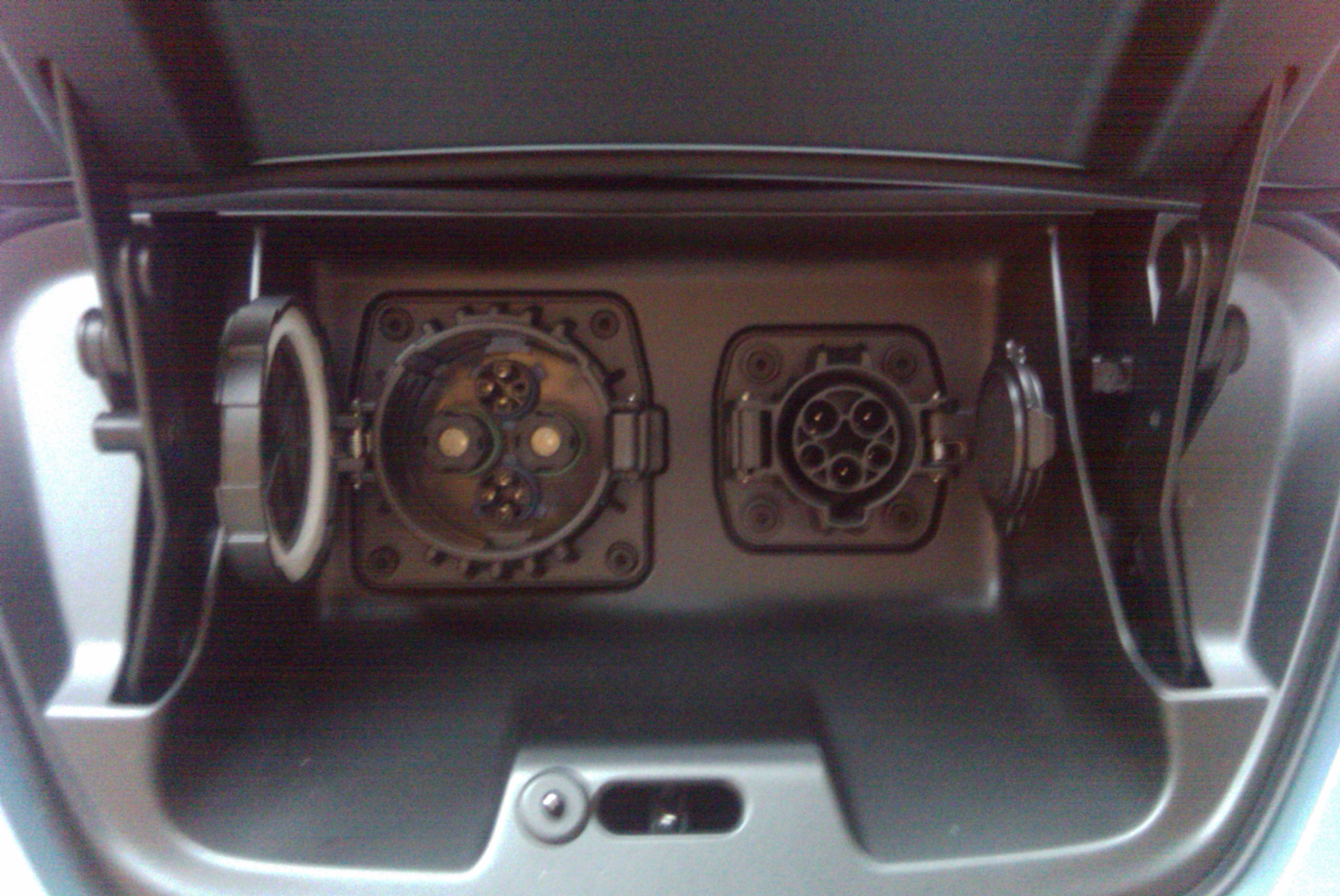 For scale, that’s about the size of a silver dollar. Up to now there have been half a dozen different plug types, basically one for each car maker, and none compatible with each other. Now with this new plug standard, we can start building out public charging infrastructure. The port on the left is an older Japanese standard, I think.
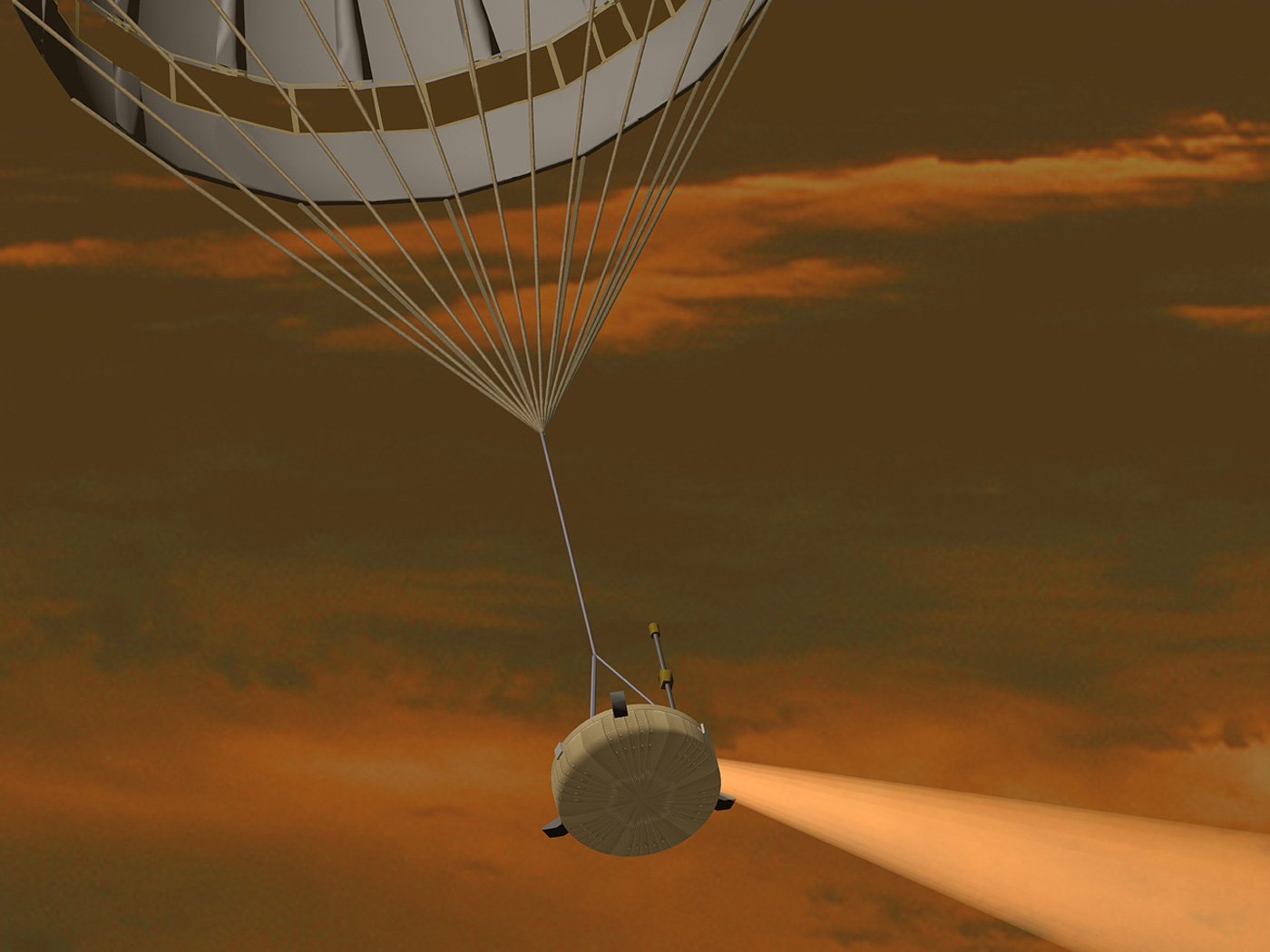 Five years ago today, on January 14th, 2005, NASA’s Cassini probe at Saturn raced past Titan and deployed ESA’s Huygens probe to descend into that moon’s murky atmosphere. The probe was designed to only last a couple hours, long enough to parachute slowly down through the atmosphere, hopefully survive the impact on the ground, and then report what it saw at the surface for a few minutes before its batteries died or it sunk in the muck or who knows what. After months of analyzing the results, the scientists released these two astounding videos showing what this strange world looked like.
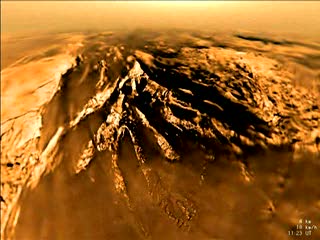 1. This 5-minute video collects the actual pictures that were taken by Huygens during the descent and creates a virtual movie out of them. With narration describing the descent (so turn up your volume!), you should first watch this video to get a sense of what was happening during the descent, and then continue to the real killer item below
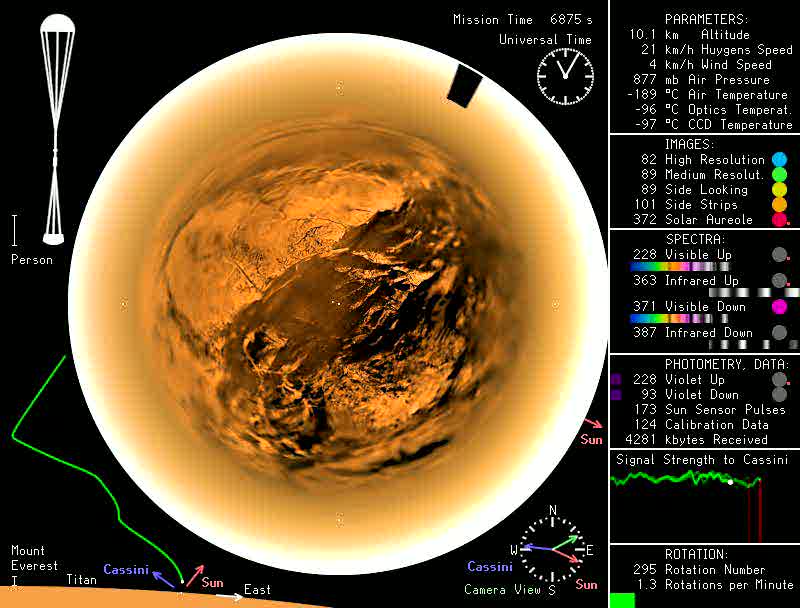 2. Here’s the one that this blog posting is really about. This is an absolutely incredible view of all of the data that came back from Huygens during the descent. You can watch it all the way through and still not fully absorb all the types of information it is presenting to you. Truly a tour de force in scientific data visualization, and possibly the most amazing video I’ve ever seen in my life.